Agroforestry
Exponential Lab
Academy
Finance
About
Blog
PT
Contact us
Agroforestry
Exponential Lab
Academy
Finance
About
Blog
Shop
Timburi Project
RELAND
Planting
Contact
Português
Blog
Agroforestry taken
seriously.
All
Agroforestry
Case studies
Food diaries
Press
News
Articles
PRETATERRA answers
Projects
Silvopastoral systems
55 posts · page 4 of 5
PRETATERRA
01/18/2021
PRETATERRA at FRU.TO 2020
PRETATERRA discusses regenerative agroforestry, syntropic agriculture and its work at the FRU.TO: Food Dialogues seminar.
Press
PRETATERRA
11/17/2020
Circular bioeconomy: How agroforestry can contribute to changing the world
How can agroforestry support a circular bioeconomy? PRETATERRA explores regenerative production, landscape restoration and new partnerships.
Articles
PRETATERRA
10/19/2020
Paula and Valter on the mission to break the monoculture paradigm
Paula Costa and Valter Ziantoni explain their approach to scalable agroforestry and alternatives to monoculture.
Press
PRETATERRA
08/23/2020
What is agroforestry, and why will it change how we farm?
In an article for Globo Rural, Valter Ziantoni and Paula Costa explain why the system is the solution to producing food and regenerating ecosystems without separating conservation from agricultural production.
Articles
PRETATERRA
07/25/2020
PRETATERRA on the Investing in Regenerative Agriculture podcast
PRETATERRA discusses its approach to scalable agroforestry on the Investing in Regenerative Agriculture and Food podcast.
Press
PRETATERRA
06/24/2020
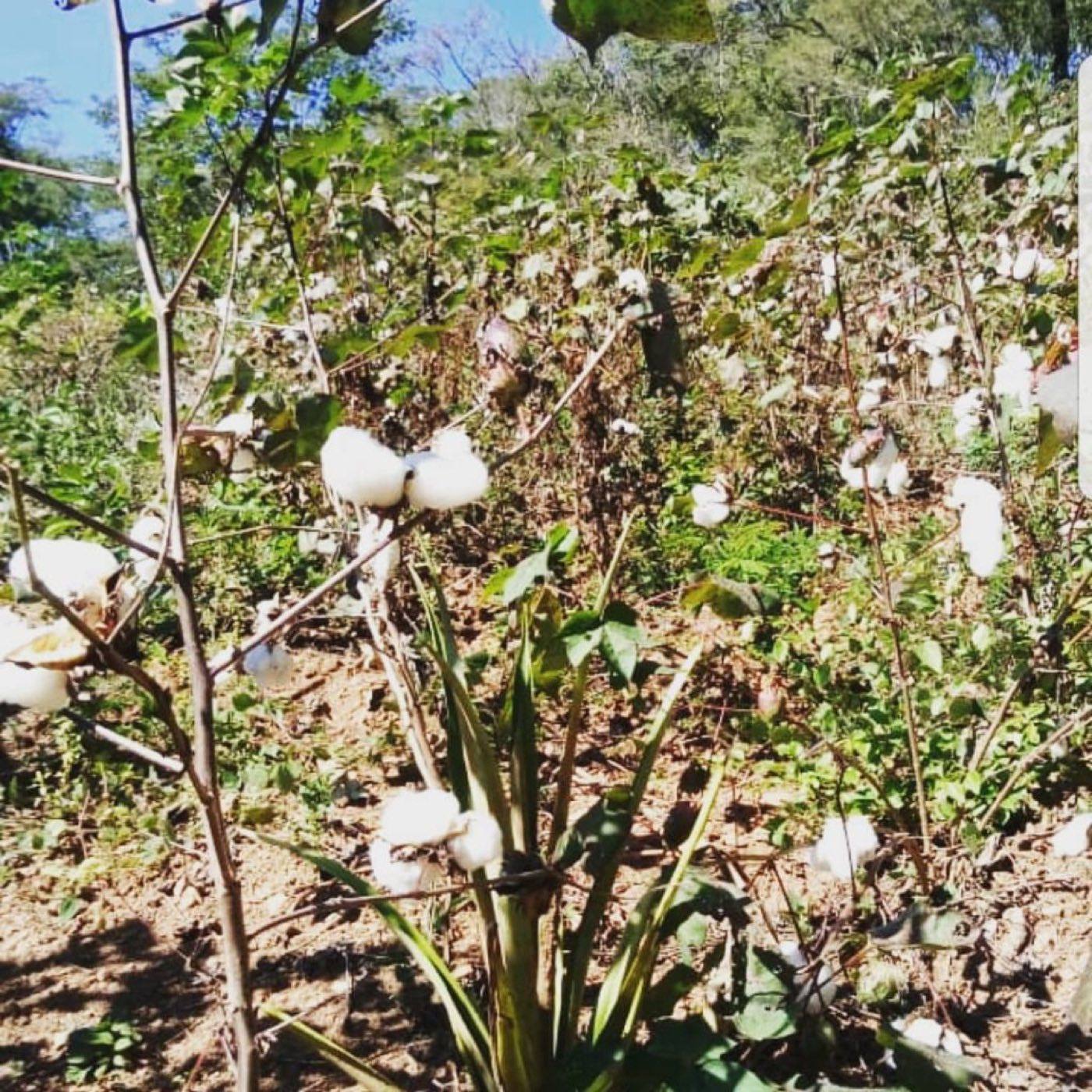
FARFARM and organic cotton
An agroforestry system focused on organic cotton, with other species that add ecological and economic value.
Case studies
PRETATERRA
05/18/2020
La Ferme Moderne
La Ferme Moderne worked with PRETATERRA to design a biodiverse agroforestry system for its specialty food business in Avaré, São Paulo.
Case studies
PRETATERRA
04/30/2020
Testimonial: Miguel Calmon (WRI Brasil)
Miguel Calmon of WRI Brasil describes PRETATERRA’s practical experience, innovation and role in advancing agroforestry.
News
PRETATERRA
04/22/2020
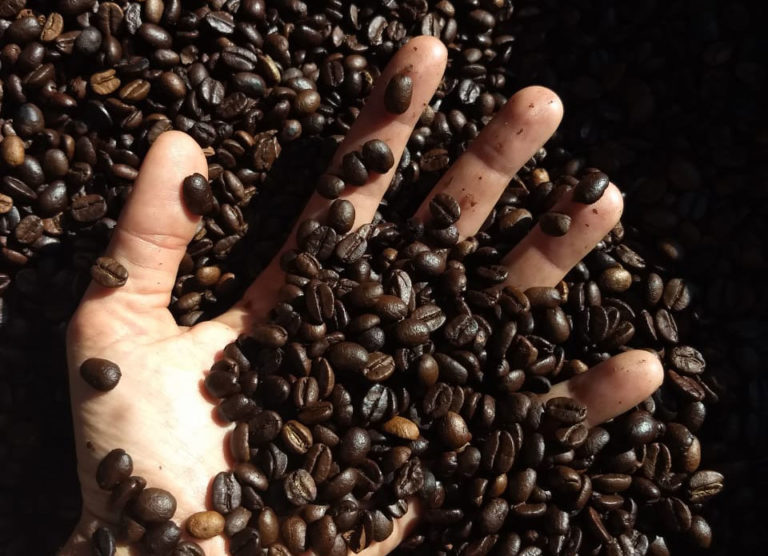
Creating agroforestry in Itatiba (SP): Coffee arrives
A former pasture in Itatiba becomes a diverse agroforestry system centered on coffee and 17 other marketable species.
Case studies
PRETATERRA
04/18/2020
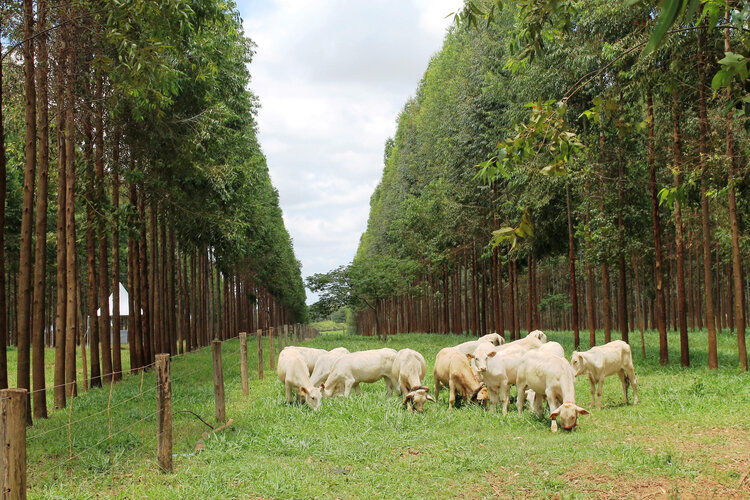
Integrated livestock production systems
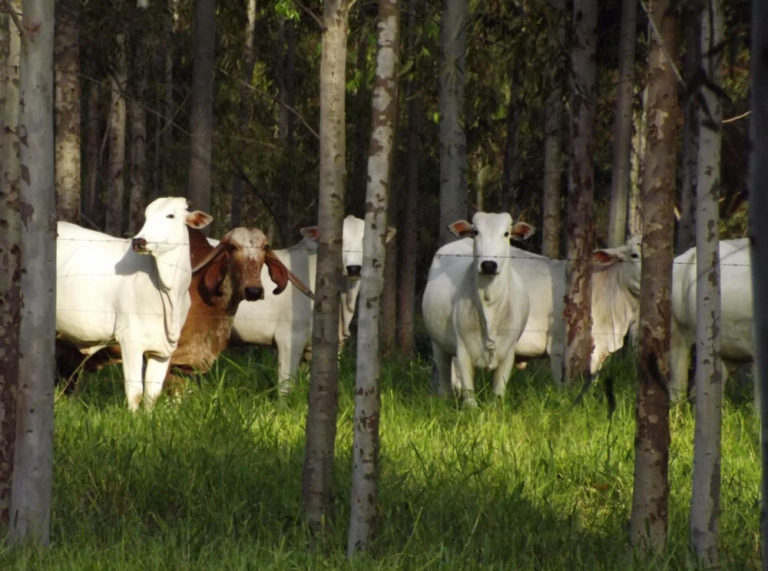
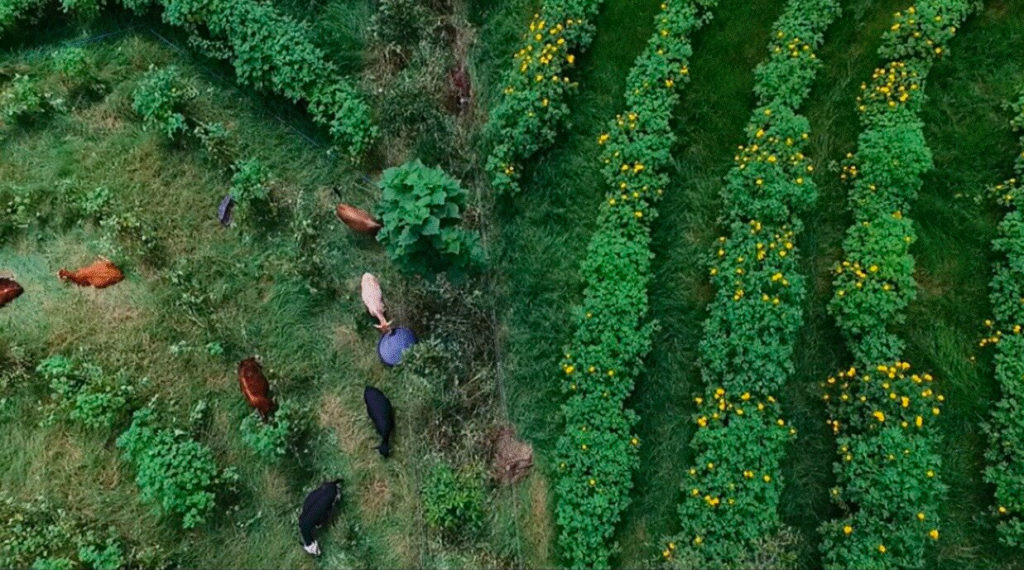
An overview of integrated crop, livestock and forestry systems, including silvopastoral practices.
Articles
PRETATERRA
03/25/2020
PRETATERRA at CreativeMornings
PRETATERRA spoke about ancestral knowledge and agroforestry at a CreativeMornings event in January 2020.
Articles
PRETATERRA
02/20/2020
Regenerative livestock in agroforestry
How silvopastoral systems can restore degraded pasture, support livestock and diversify production.
Articles
← Newer
1
2
3
4
5
Older →