Is agroforestry profitable?
Translated from Portuguese. Original published by PRETATERRA.
Agroforestry is profitable, especially when it is well planned! The big challenge is equipping agroforestry entrepreneurs with the tax incentives, credit lines and methodologies to build a value chain and validate the benefits intrinsic to agroforestry.
Agroforestry vs. Monoculture
It's true that implementing an agroforestry system is not simple. Access to specific credit lines and subsidies is still incipient compared to conventional agriculture. The value placed on products from agroforestry systems is still growing, and specialized labor and know-how are not yet widespread. The negative effects of conventional agriculture on soil degradation and the climate are only now beginning to be recognized.
However, agroforestry systems have countless advantages over monocultures that make up for the often higher initial investment. Species diversity increases biological resilience to climate variations, spreads the risk of crop failure and evens out annual revenue with successive harvests and crops. Input costs can decrease over time. All of these premises create a smart, diverse system that improves the intrinsic qualities of the soil, the plants and the entire farm ecosystem in which it is embedded.
How do you choose the species in the system?
Very careful planning is essential to get the most out of the complexity of an agroforestry system. The species are chosen after studying the market, the machinery, capital and labor available, the climate and soil, how species interact and commercial interest in the region. In 2019 we designed a project with Fazenda La Ferme Moderne that encompassed the property's main assets, with a biodiverse and resilient agroforestry design consistent with the owners' ecological, social and economic goals. Learn more about the project here.
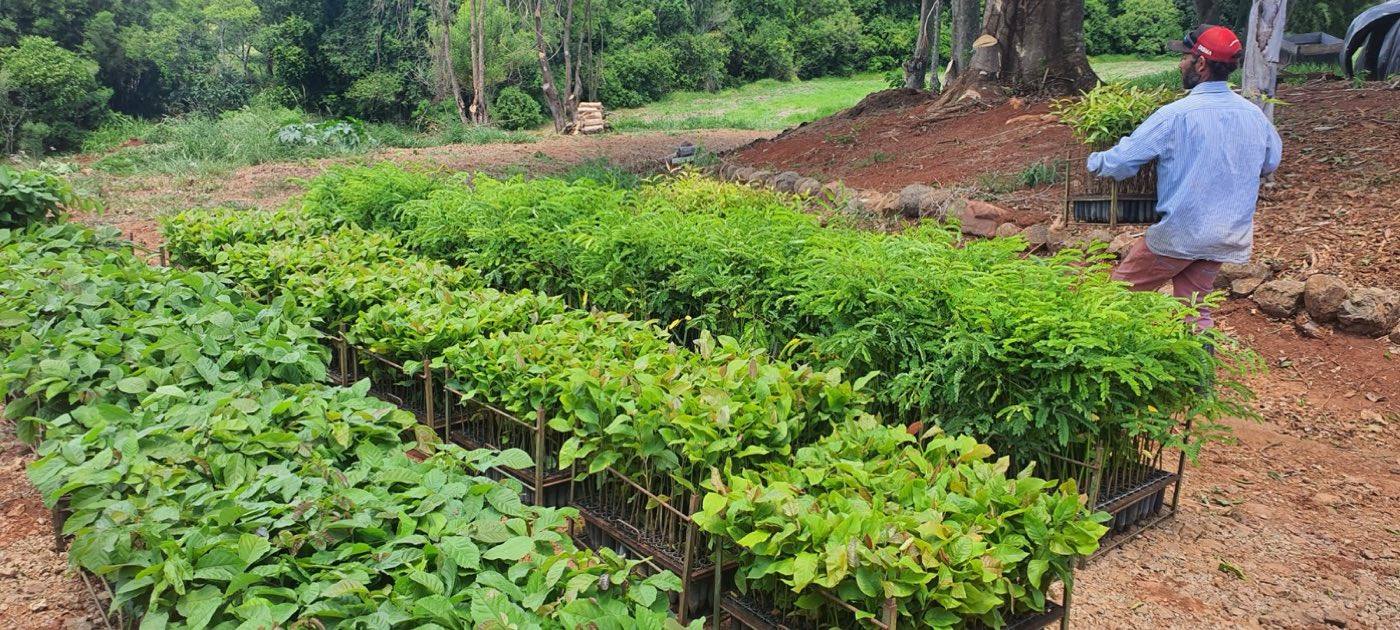
The importance of FUNCTIONAL NICHES. To increase the system's productivity, it is essential to make the most of sunlight by arranging species spatially, while also following a temporal logic. When planning biodiverse systems, we allocate functional niches: groups of species with similar characteristics across a range of parameters, such as ecological succession, canopy architecture, stratification, flowering and type of management.
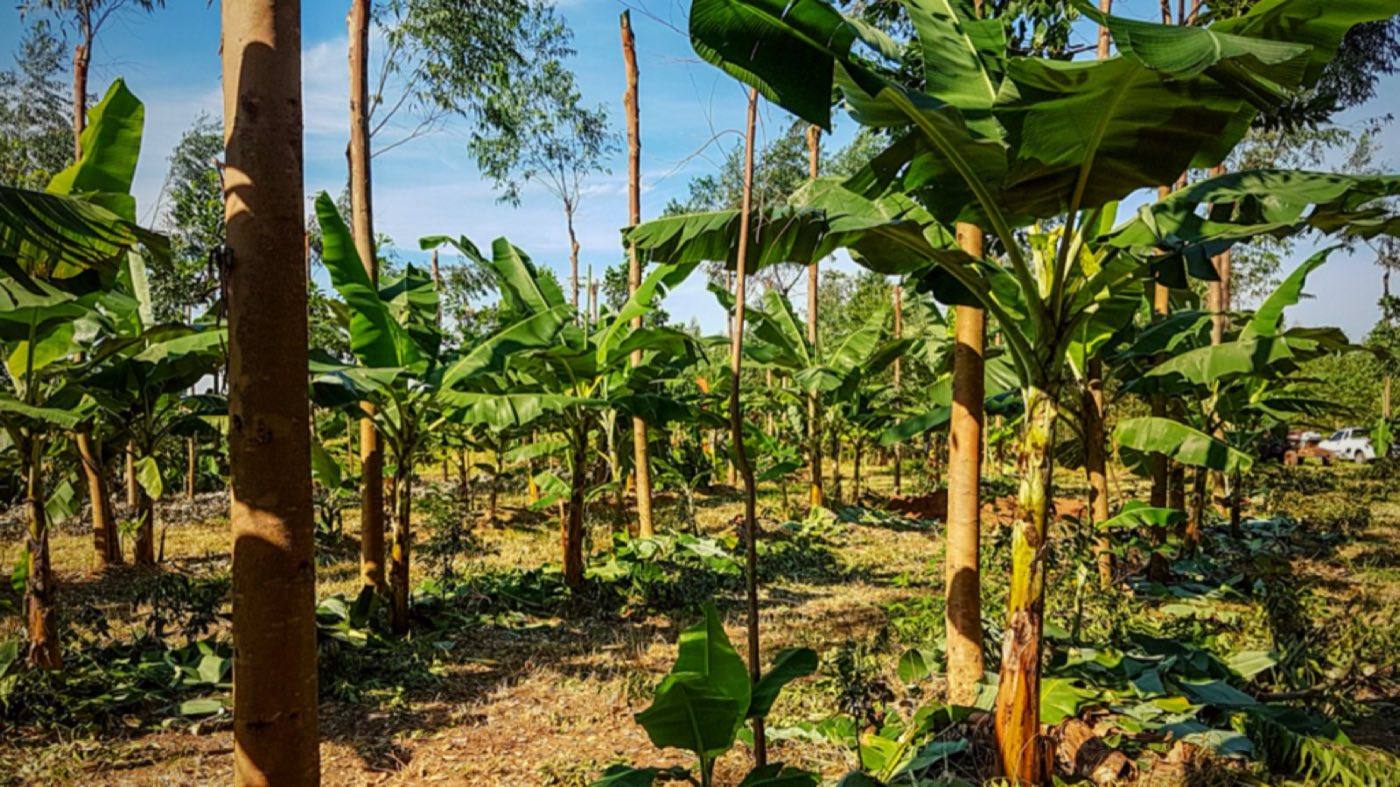
Combining short-, medium- and long-cycle crops generates revenue in the first year and ensures the best use of space, with production in "floors" over the years. The system is designed so that management intensity decreases as the years go by, reducing production costs and labor demand.
Beyond the economics, agroforests also bring ecosystem benefits such as carbon sequestration, recovery of degraded soils, restoration of watercourses and recharge of groundwater, lower erosion rates, increased biodiversity and landscape connectivity.
Adding value after harvest
Consumers are increasingly inclined to choose healthier, more sustainable products. It is worth agroforestry farmers considering processing their products, not only to add value but to target a specific market. In one of our projects in Northeast Brazil, we assessed the potential of agroforestry value chains and reached very interesting results from processing bananas.
Public opinion and market perception are changing quickly toward what is truly sustainable, as climate change and its adverse effects are increasingly felt, commitments are being made worldwide and the SDGs must be met. The agroforestry movement is gaining strength, and so is its financial viability at scale.

Start now!
To start an agroforestry system or convert your monoculture into a biodiverse planting, you need planning (a lot of it!), which works best when you understand the many factors involved in its success, from choosing the site, selecting species and planning operations, all the way to harvest and sale. With PRETATERRA Academy you too can develop an agroforestry project with confidence and join this movement to regenerate the planet through a constructive, sustainable productive logic.