What are companion and antagonistic species?
Translated from Portuguese. Original published by PRETATERRA.
What are companion and antagonistic species?
Inspired by a suggestion Bárbara Abbondati sent us by e-mail, today we talk about vegetable species that complement each other, and those that should not be planted together.
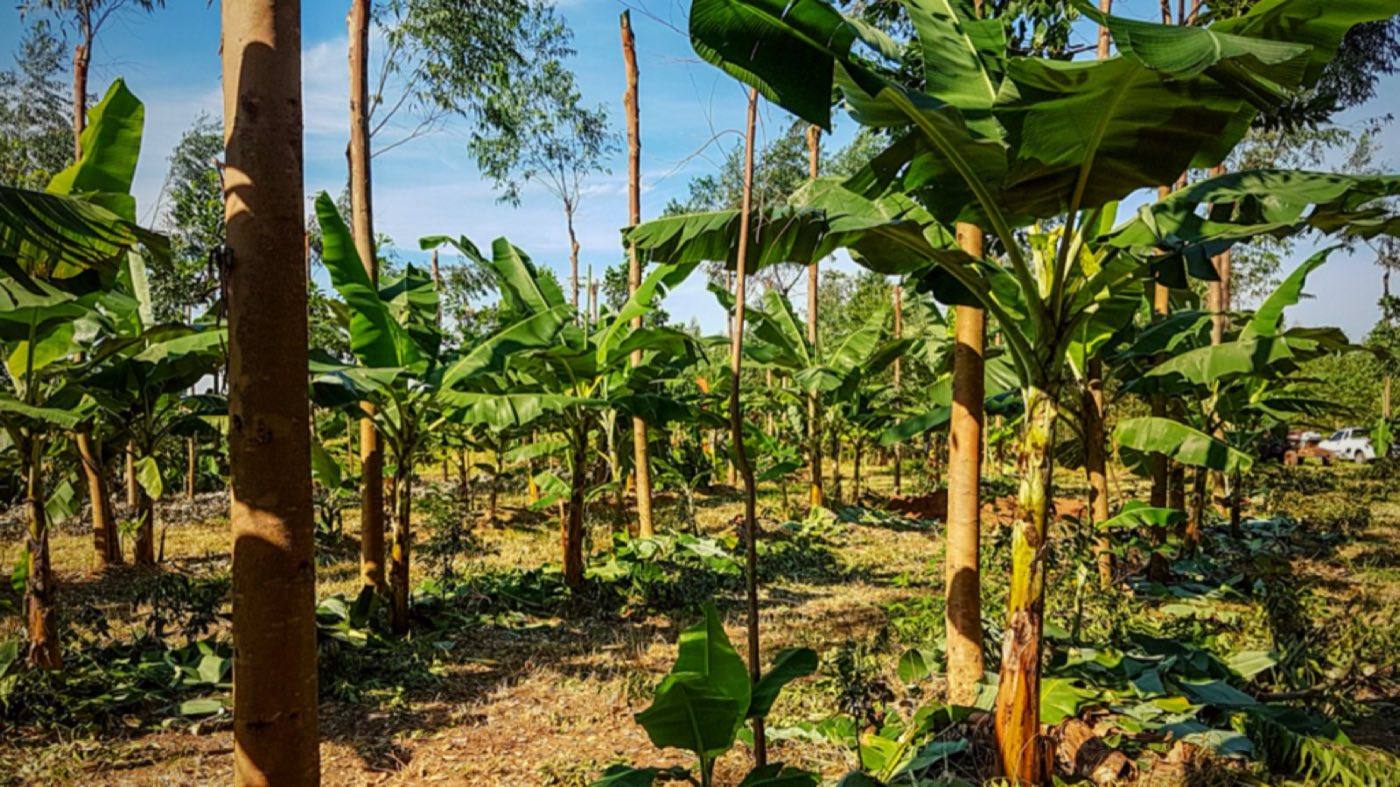
A biodiverse garden should be planned with in mind not only the diversity of species, but above all the relationships between them. Vegetable species have different life cycles, growth, flowering, and nutrient, light and shade needs. Following one of the principles of agroforestry, succession, we can plan our garden to make the most of every part of the bed, combining short-cycle species with longer-cycle ones in low, medium and high layers. You can grow a garden even in tight spaces and produce a lot of food in just 1 m².
Tastier, pest-free food
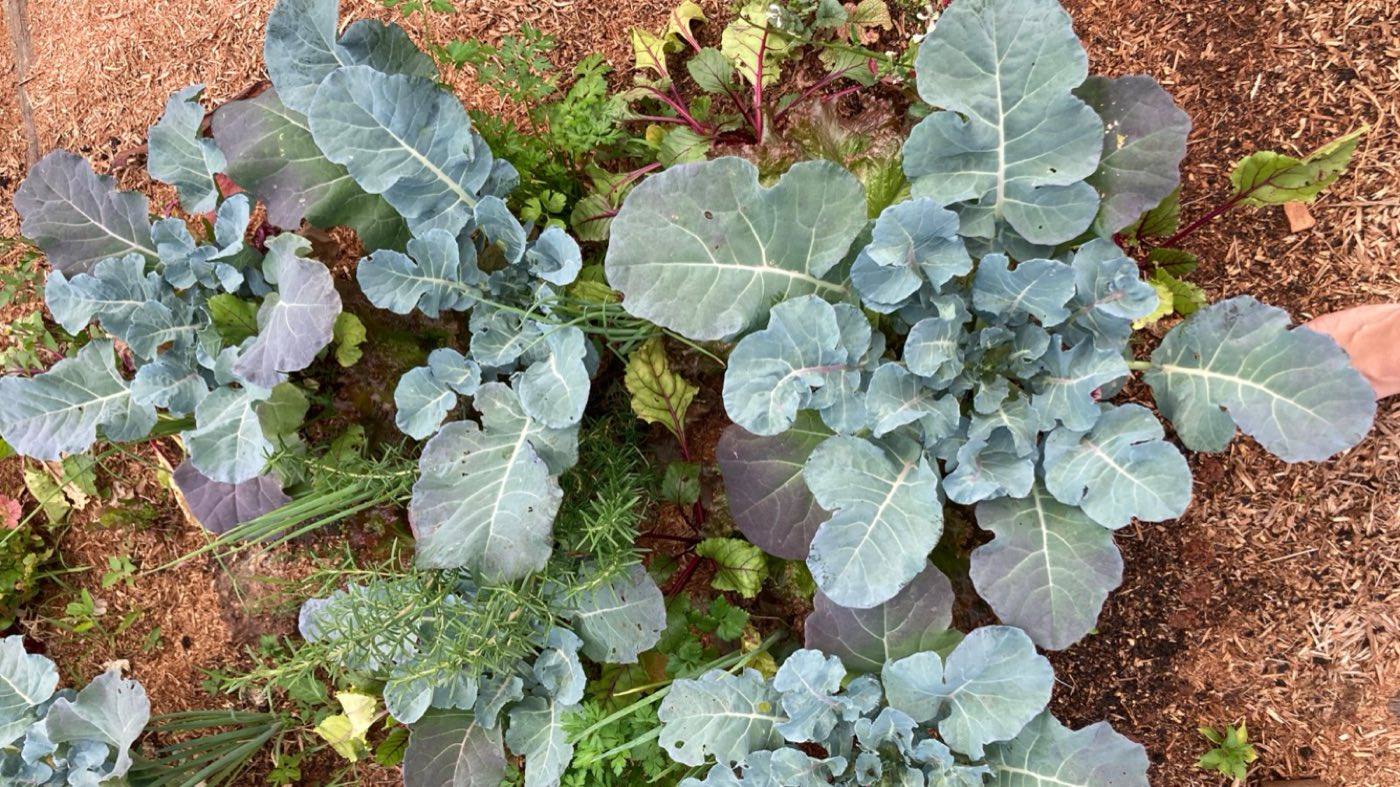
Beyond these factors, did you know we can also make our garden more abundant by choosing species that help each other? So-called "companion" plants, as the name suggests, complement one another beyond how they occupy space and use nutrients, including through chemical interactions between them. This helps each other's growth and production, and in some cases even repels pests. Placing these species close together in the garden means more flavor and nutrients in your food, and it boosts soil restoration.
On the other hand, some species should not be planted close together. Unlike companion plants, they are called antagonistic because they compete for nutrients and don't grow well side by side.
How to choose?
There is a lot of information online about different plant combinations for the garden. Some classic combinations are:
– Lettuce with zucchini, leek, beet, carrot, cucumber, radish and arugula. Avoid sunflower and parsley;
– Carrot with peas, beans, radish, tomato, rosemary, chives and onion;
– Corn with squash, potato, peas, beans, watermelon, melon, mustard and cucumber. Sunflower helps keep pests away;
– Cabbage or broccoli with lettuce, potato, beet, aromatic herbs, celery, chives and mint. Avoid planting strawberry, marjoram, tomato and green beans.
Want to know how to arrange species in your garden following agroforestry principles? In the Pioneer course of PRETATERRA Academy we recorded 3 lessons on the vegetable garden that explain exactly how to bring this logic to small spaces.