Adding value to production: A PRETATERRA case in Northeast Brazil
Translated from Portuguese. Original published by PRETATERRA.
In the project we developed in 2020 with SAVE Brasil and WWF-Brasil, we mapped sustainable value chains for the Serra do Urubu-Murici landscape, in the states of Alagoas and Pernambuco.
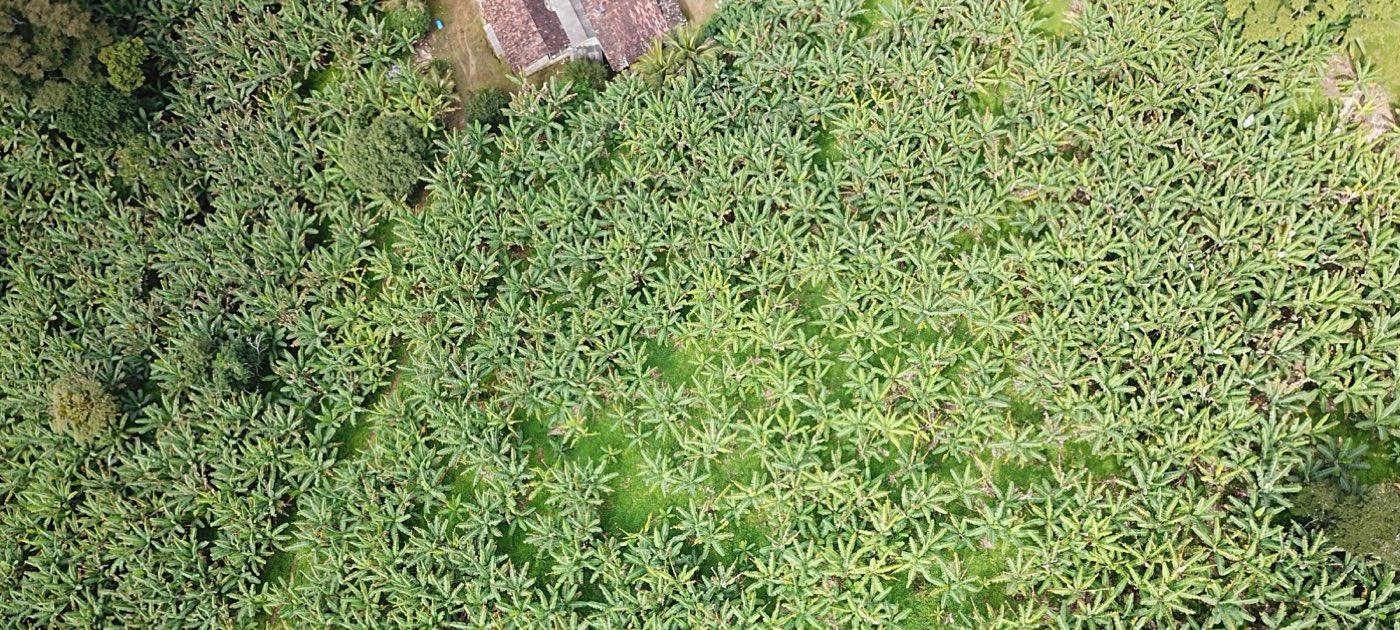
The Vale da Pelada
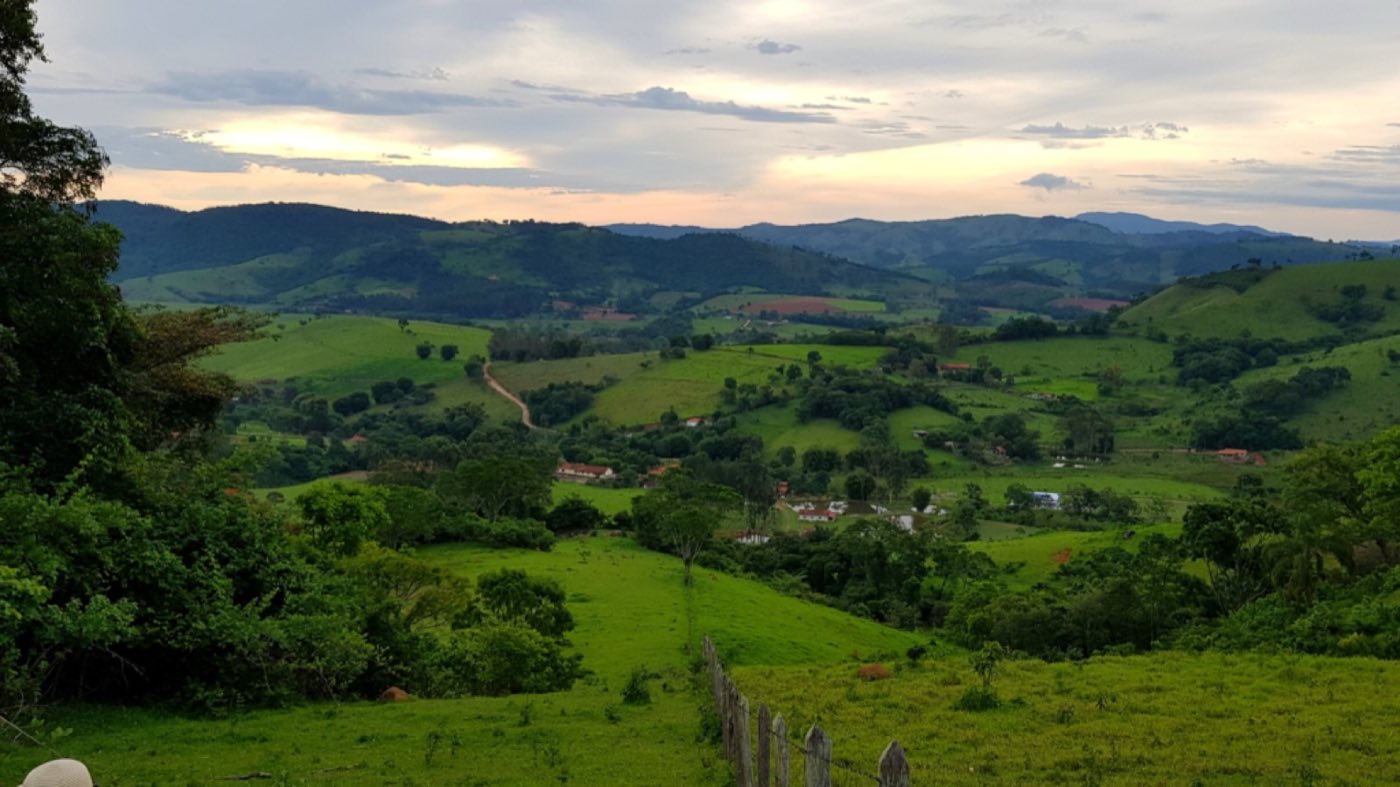
In Alagoas, the state's production is concentrated in União dos Palmares, more precisely in the Vale da Pelada. Home to about 150 families, the region is characterized by small and medium producers with plots between 10 and 50 hectares. The main banana grown is the silver banana (banana-prata), very traditional in the region and introduced an estimated 150 years ago. Three silver banana varieties predominate: the so-called true silver or "pratinha", which is sweeter and the most planted; pacovan (introduced in the region); and prata caiana, planted there as long as the pratinha. According to the farmers, all varieties are sold as silver bananas, and although the fruits differ in shape and flavor, few middlemen tell them apart.
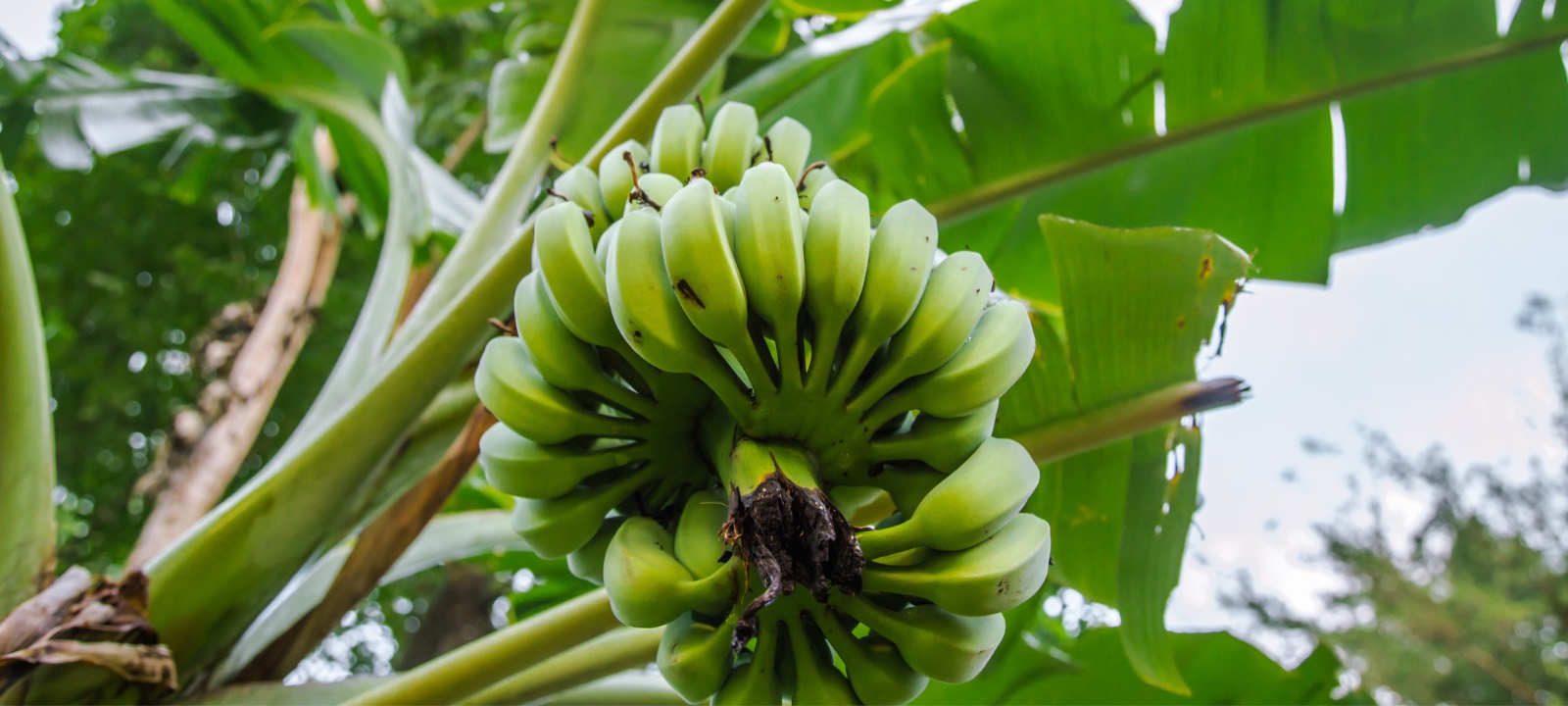
The silver banana
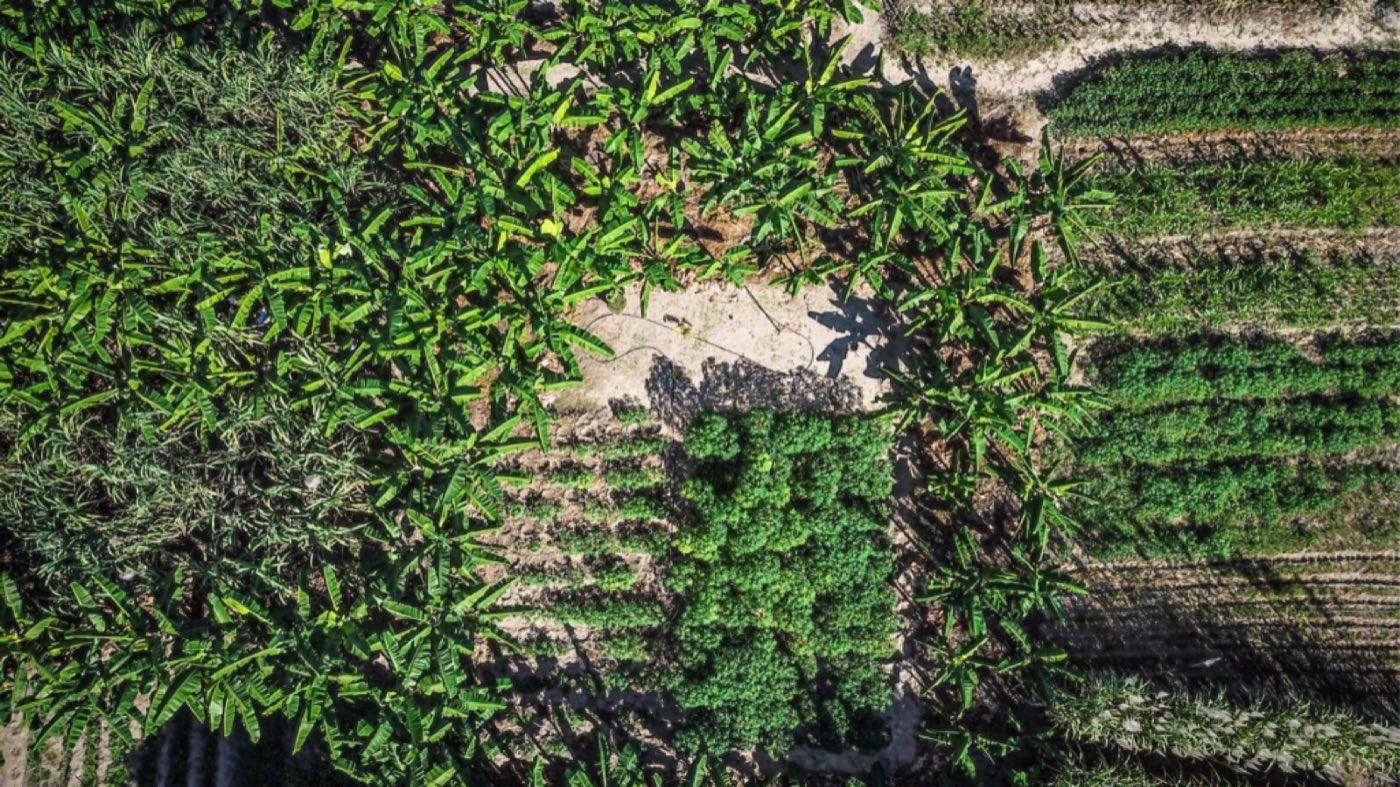
The silver banana is adapted to the region's climate and soil; few plots use irrigation. As a result, most of the banana harvest takes place from September to February, after the rainy season ends. Some farmers apply no pesticides or chemical fertilizers to their silver banana plantations, partly because of the type of management, adapted to the steep terrain and often an intuitive, non-mechanized agroforestry system, and partly because of the cost of inputs.
Monthly production in the Vale da Pelada is estimated at 60 tons per week. Mostly sold to middlemen, during harvest season a thousand fresh silver bananas can sell for as little as R$30, averaging R$60 and reaching up to R$100. The product has no organic certification, even though many farmers follow organic practices.
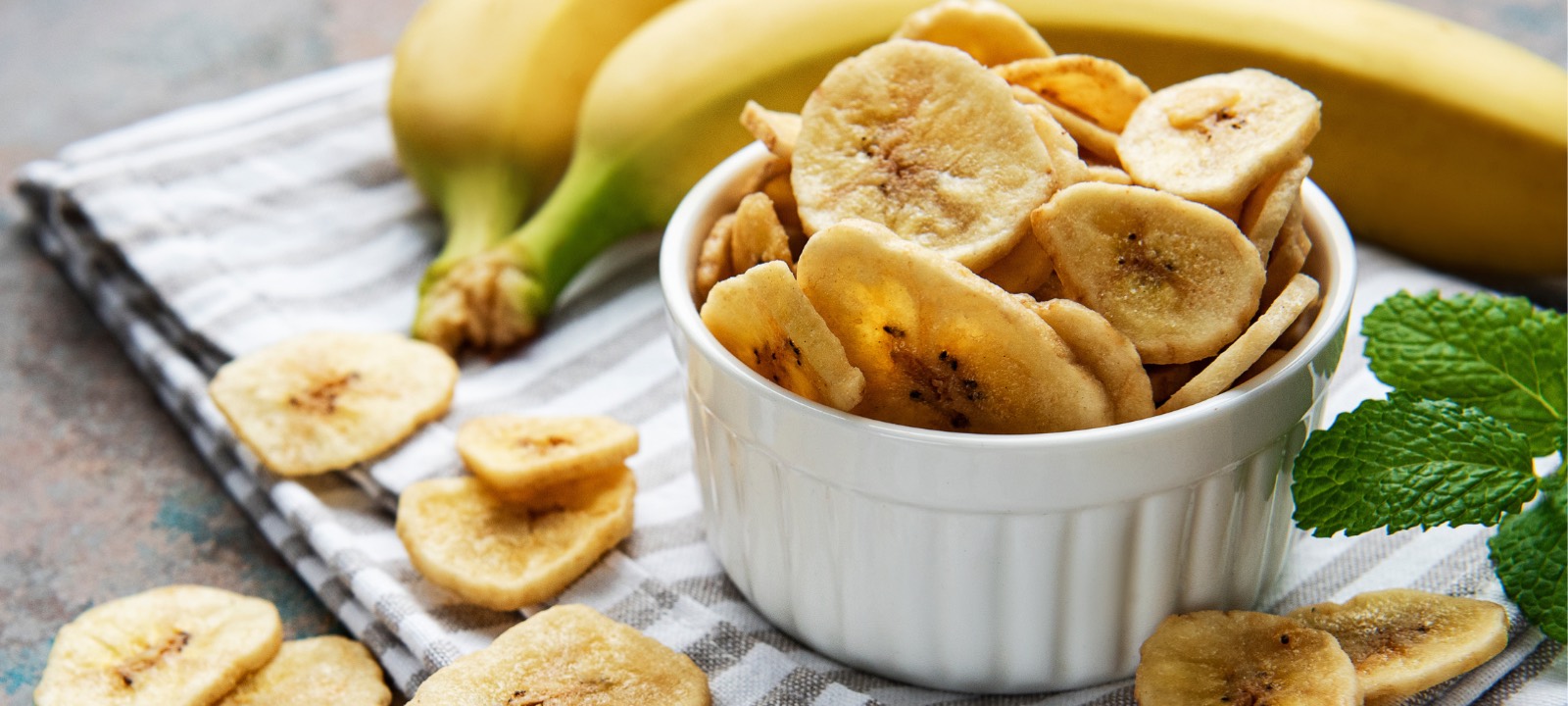
So how do you add value?
Our project aimed to create a business plan that requires little initial investment and can be implemented by families in the region. It involves women and other relatives in adding value to the silver banana. The idea was to process the bananas into banana chips, sold directly to consumers. The frying oil used in production generates a residue that can be reused to make homemade soap, also generating extra income for the family.
With a low initial investment spread over three years, and considering chip production from 520 kg of bananas, expected sales in the first year (at 2020 costs) are 100 times higher than what is usually paid for the fresh product by middlemen. Adding value to your product pays off and often takes more organization than investment. The idea is that by adopting this plan, families gain more economic resilience.
The banana is one of the most consumed fruits in the world and offers many possibilities. Did you know it is a very common species in agroforestry systems? Read more about it here.