Agroforestry in the Atlantic Forest: 200 more hectares in Timburi, São Paulo
Translated from Portuguese. Original published by PRETATERRA.
In partnership with Cargill, we will plant 200 more hectares of agroforestry systems. With this new investment, there will be 300 hectares of agroforests restoring the Atlantic Forest landscape in the southern part of the Tejupá Environmental Protection Area.
The pilot
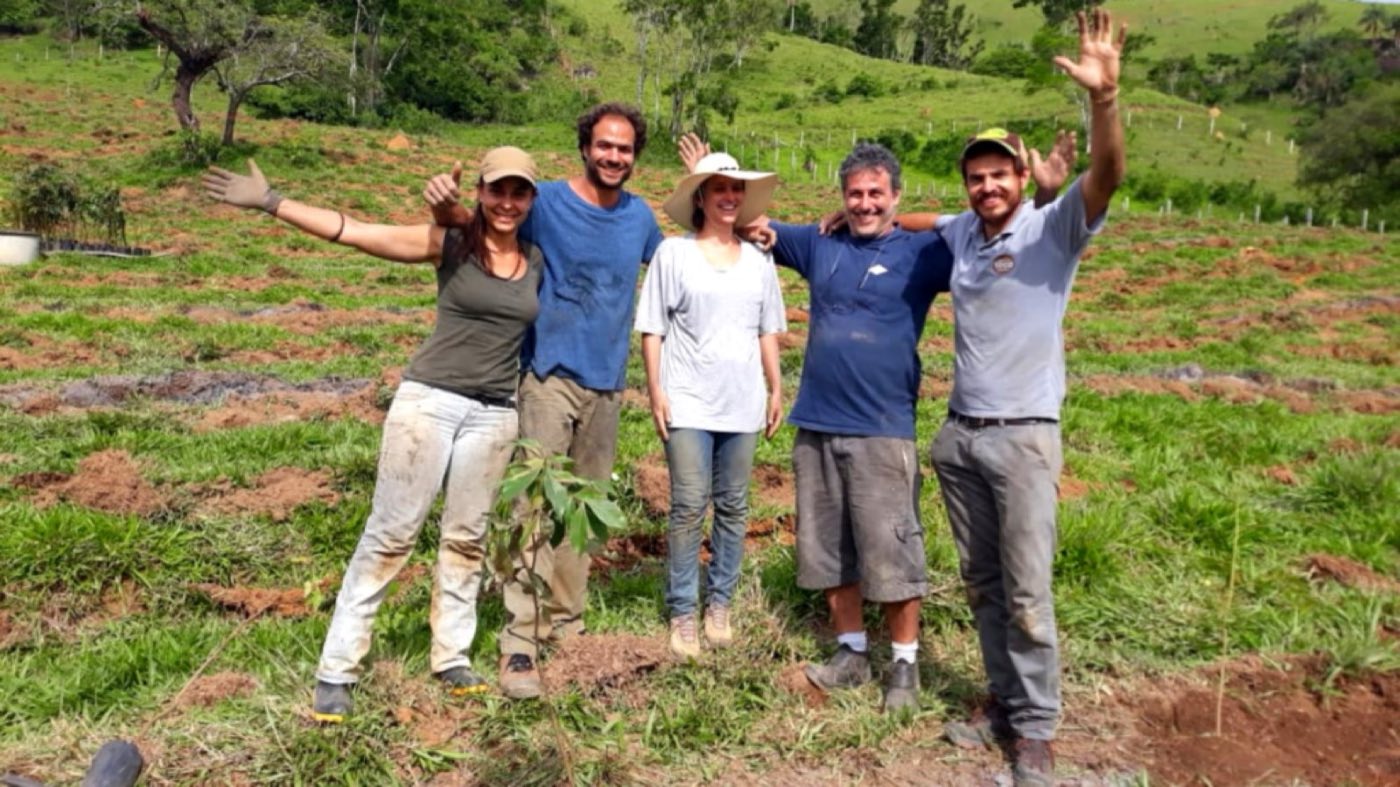
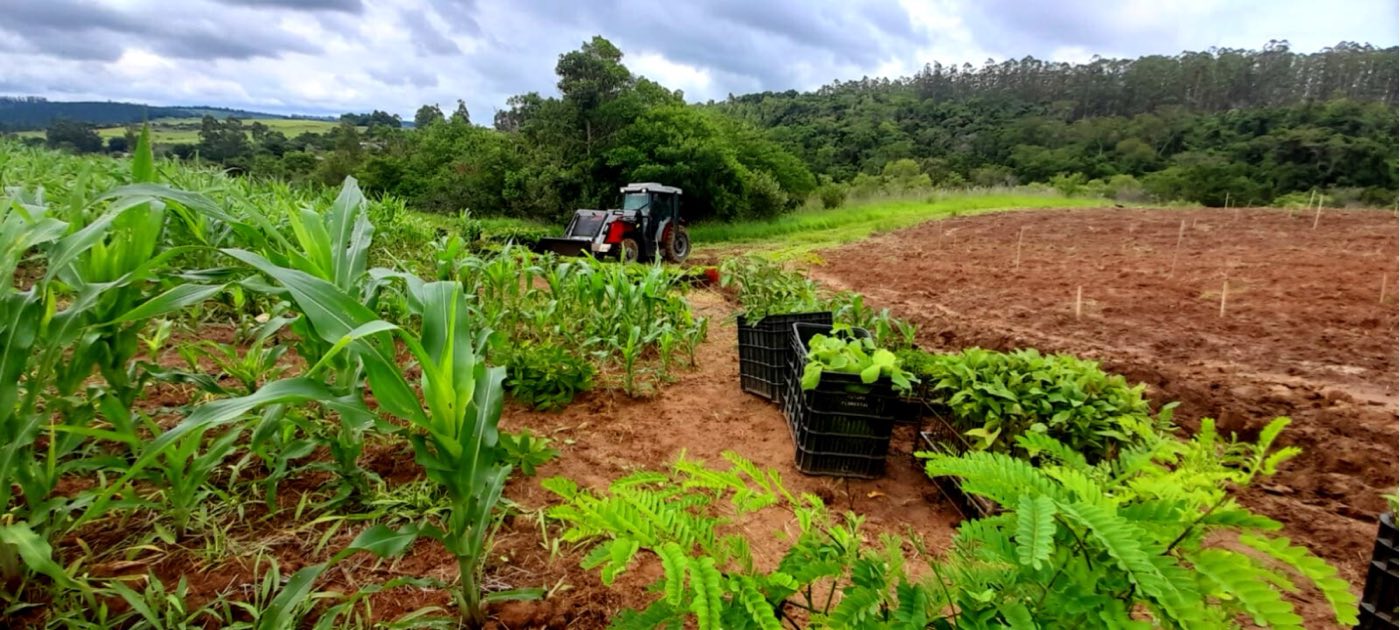
In December 2020 we launched the project pilot, funded by a donation from the Optimus Foundation of the Swiss bank UBS. Throughout 2021 and 2022 we established agroforestry systems with coffee, avocado and other native species. The goal was to establish 100 hectares of agroforestry systems with at least 30 families. One of the areas in the project is the Karugwá Village, in Barão de Antonina.
Expanding the project
Since early 2022 we have been expanding the project to other municipalities around Timburi, in the southwest of the state of São Paulo, such as Bernardino de Campos, Piraju, Sarutaiá, Ipaussu, Óleo, Itaporanga and others. Under Cargill's Protect and Restore Program, another 200 hectares are being planted, mainly
focused on restoring springs, headwaters and riverbanks.
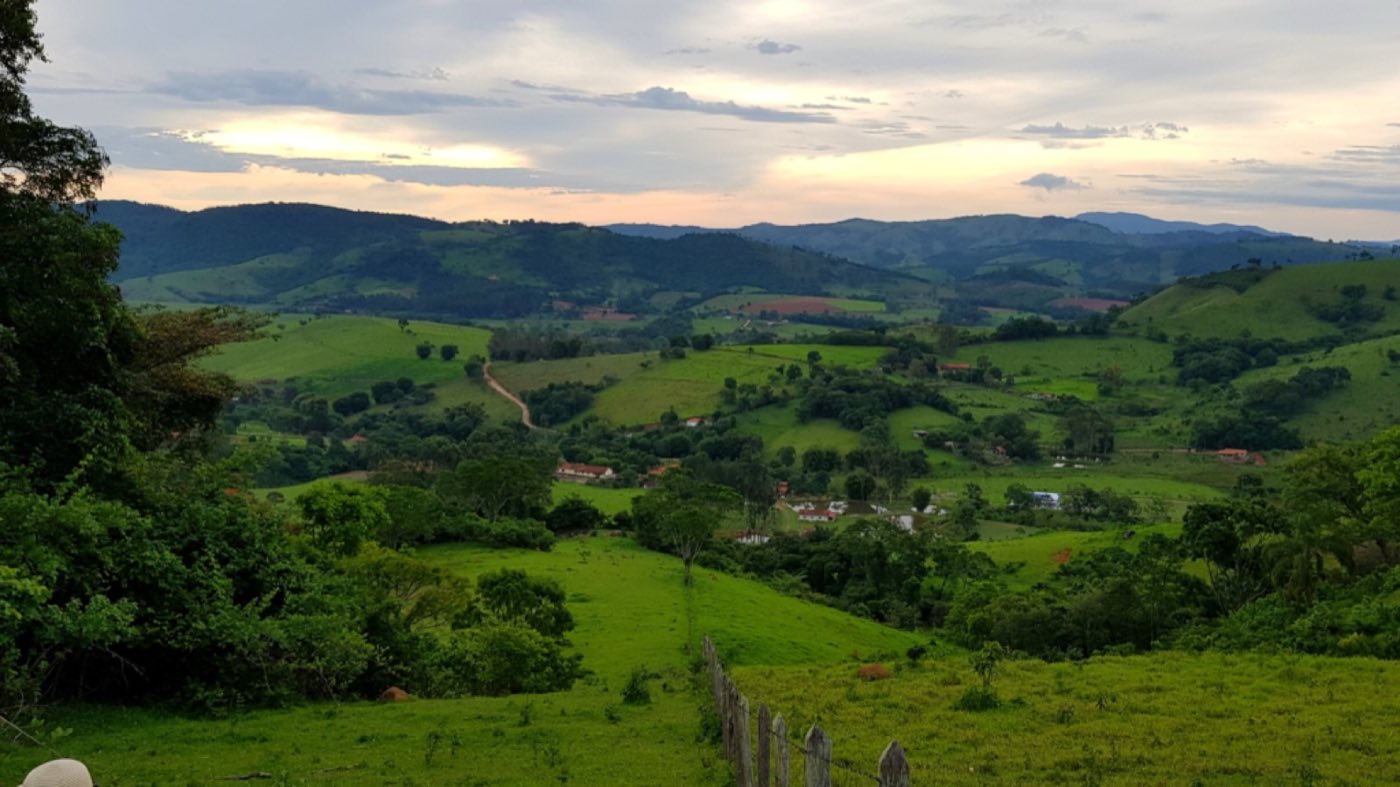
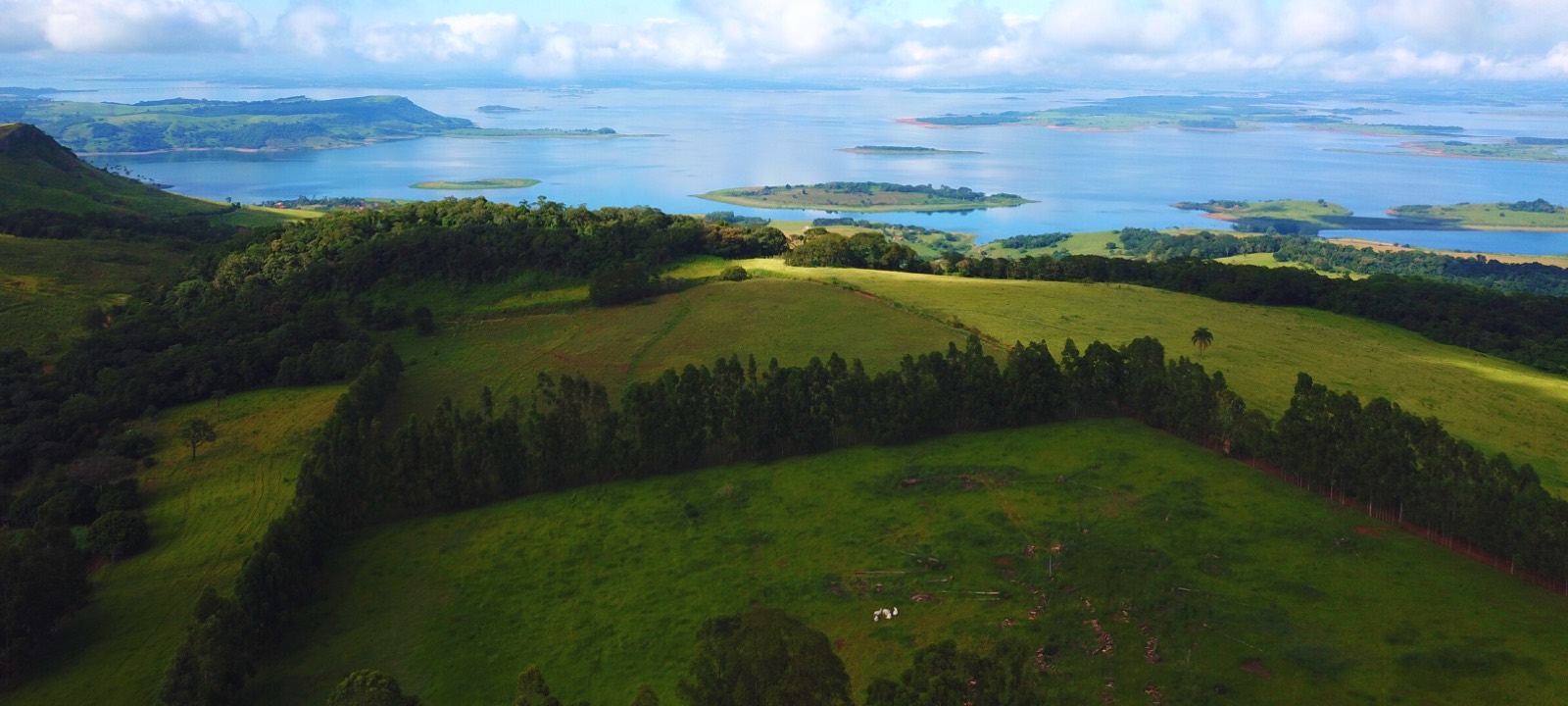
This kind of action in the region is urgent, not only because it is a strategic area for biodiversity, but above all because it lies in the largest clean freshwater basin in the state of São Paulo, feeding the Piramboia, Serra Geral and Guarani aquifers. About 75% of the land has been altered by human activity and is possibly degraded.
Restoration with ancestral and agroforestry techniques
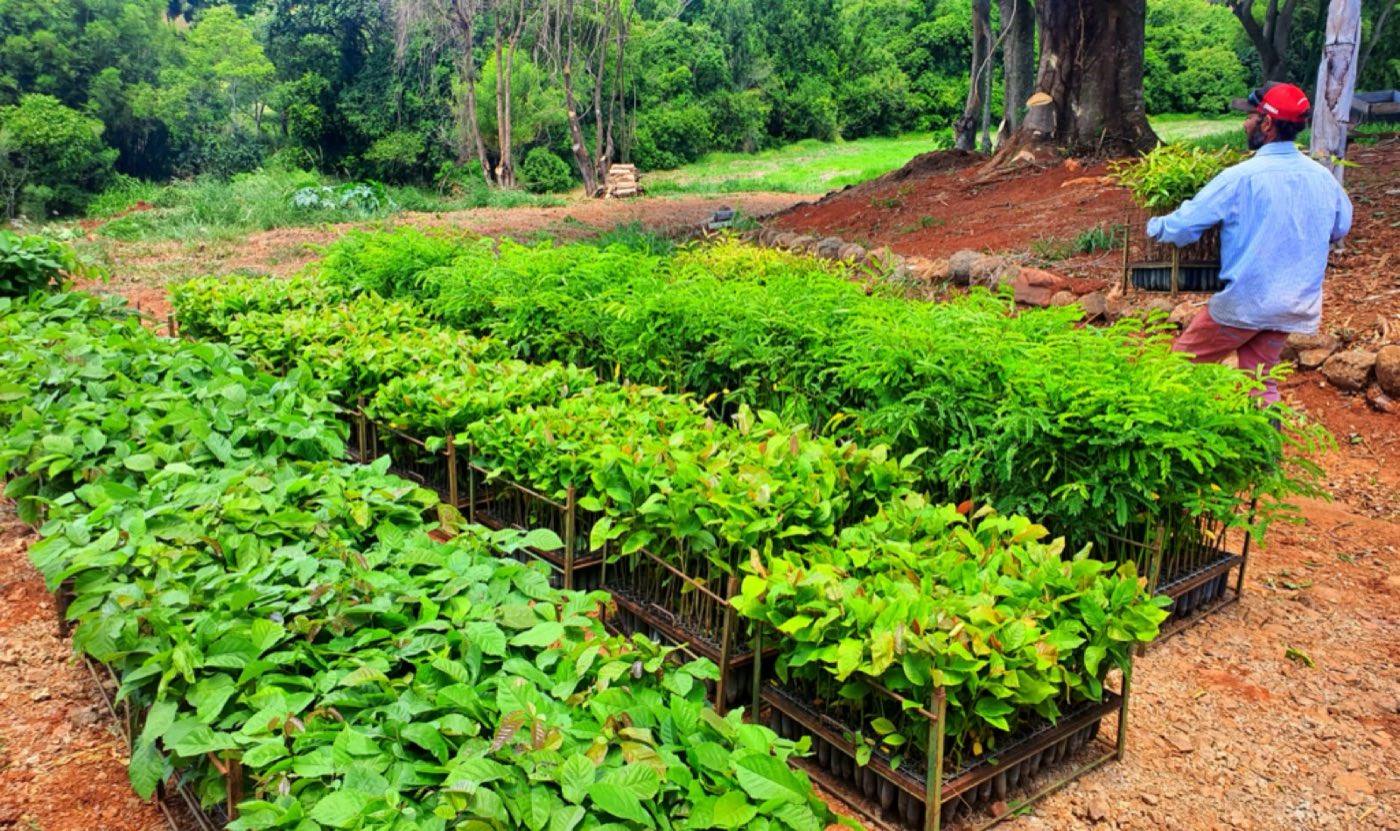
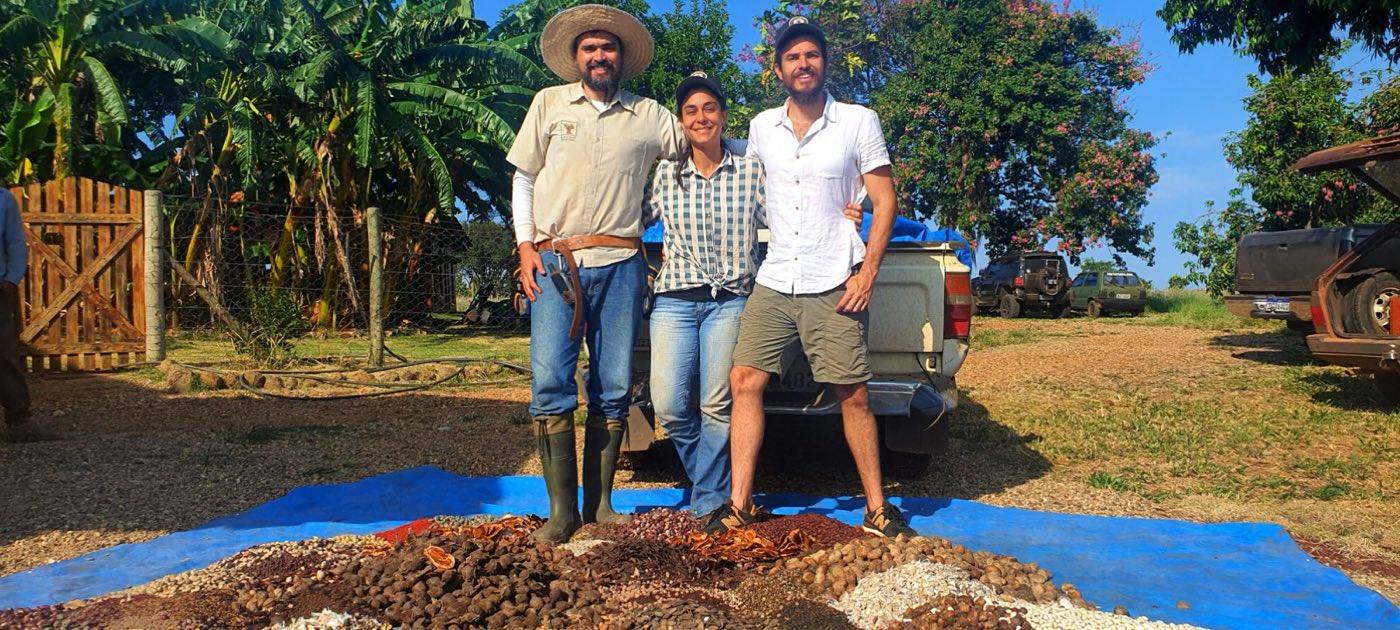
The restoration areas are receiving native Atlantic Forest species from the region. We are using two techniques: seed "muvuca" (direct seeding of a seed mix) for areas that flood periodically, wetlands or places where machinery can't go; and planting seedlings of different layers and successional stages.
We did some muvucas with our partners at Baobá Florestal. This technique consists of mixing diverse seeds, homogenized with sand, soil or substrate (learn more here). Some of the species we planted are farinha-seca, guapuruvu, paineira (silk floss tree), chichá, ipê, guatambu, copaíba, cedro, carvoeiro… 66 different species in all. With seedlings, we are planting louro-pardo, purple ipê, pau-formiga, jequitibá-rosa, araçá, copaíba, jacarandá and 40 other native species.
Project news
We created a dedicated website for the project. Our goal is to keep planting and create a large corridor from Morro do Diabo to the coast at Guaraqueçaba. If you live in the Tejupá region or know someone who does, you can get in touch to take part at hello@pretaterra.com.
And with a view to multiplying agroforestry knowledge and productive landscape restoration, you can also take our Pioneer course at PRETATERRA Academy and join us in this transformative wave that will change our agricultural landscape!