Banana, a key species in agroforestry
Translated from Portuguese. Original published by PRETATERRA.
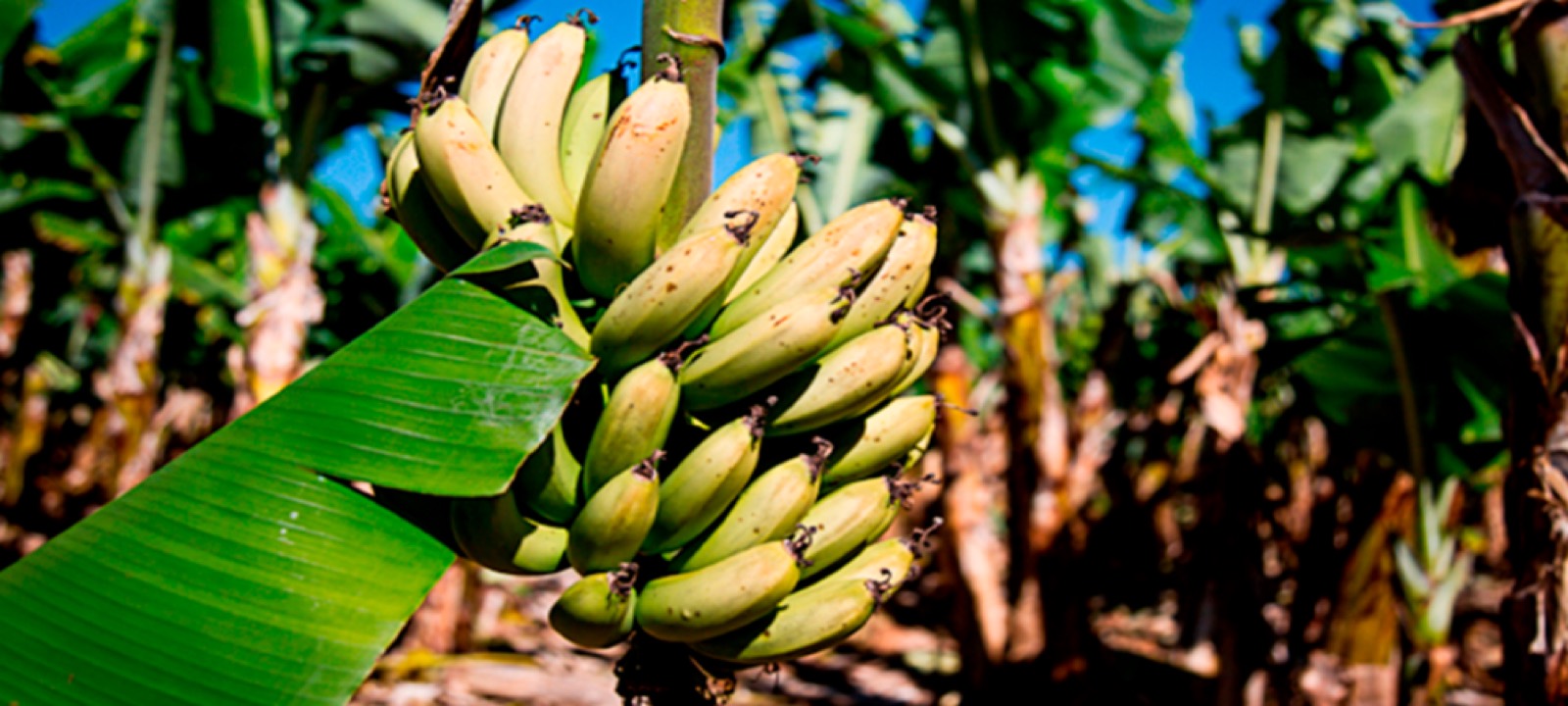
One of its names in Brazil is "pacová", from the Tupi word pa'kowa, meaning "leaf for wrapping". The banana plant is native to Asia, but it has adapted very well to the forests of the Americas because it thrives in tropical climates.
A plant with a very nutritious fruit, rich in fiber and packed with minerals and vitamins, the banana can soothe the gut and stimulate serotonin production, as well as prevent cramps and improve blood circulation.
Bananas and agroforestry
Here in Brazil there are large monoculture plantations in the Vale do Ribeira, in the south of the state of São Paulo, and in northeastern states such as Bahia, Alagoas and Pernambuco. But it is in agroforestry that the banana shines. It is always present in agroforestry home gardens and other systems, usually grown as a service species. No wonder: in an agroforest it cycles nutrients, shades tree species, produces biomass, attracts pollinators and… still gives us fruit!
It takes a lot of management!
This plant reproduces vegetatively, from a rhizome found in adult plants. Have you ever noticed that its fruit, the banana, has no seeds? That's because it develops without the flowers being fertilized, unlike wild species such as Musa balbisiana, native to South Asia, which has lots of small seeds.
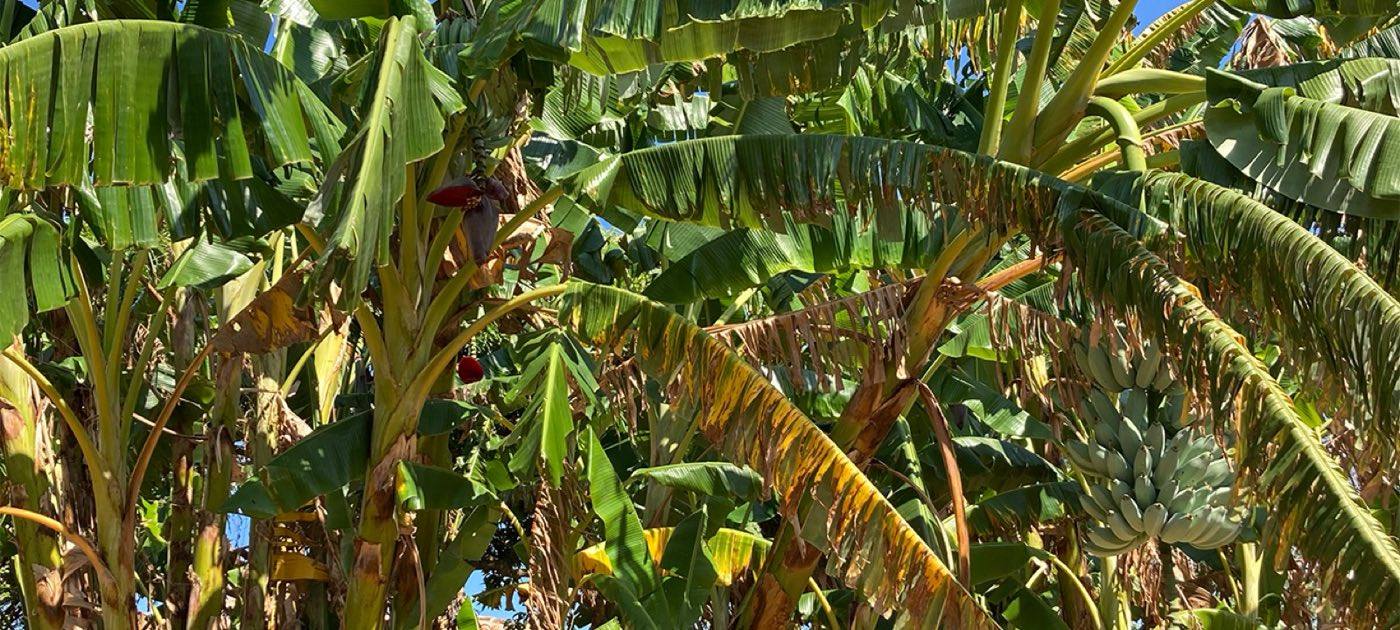
Each banana plant produces one bunch of bananas, and soon after the bunch appears, a new pseudostem sprouts (it is called a pseudostem because it works like a stem, but is actually made of rolled-up leaves). So a banana plant always grows in a cluster of generations: grandmother, mother, daughter and so on. It is therefore a species that needs management, pruning, and care with soil, climate and humidity to grow healthy and produce plenty of biomass.
Nanica, Prata, Ouro, Maçã or Da Terra: everyone has a favorite, and each variety has its own architecture, flavor, shelf life and nutrient profile. The banana not only feeds the farming family and the surrounding wildlife, it is also a product that can gain added value to boost family farming income.
Bananas are life!
This is the second post in our Food Diaries series. The first was about quinoa, and you can read it here.