Our traditional cassava: An ancestral food!
Translated from Portuguese. Original published by PRETATERRA.
From the forest to our table
Cassava has always lived in harmony with the forest, traditionally grown and improved by ancestral peoples for 9,000 years, with dozens of varieties today. Very common on Brazilian tables in cakes, breads, sweets and all kinds of savory dishes, cassava is a starch-rich root that contains calcium, magnesium, phosphorus, potassium and vitamin C.
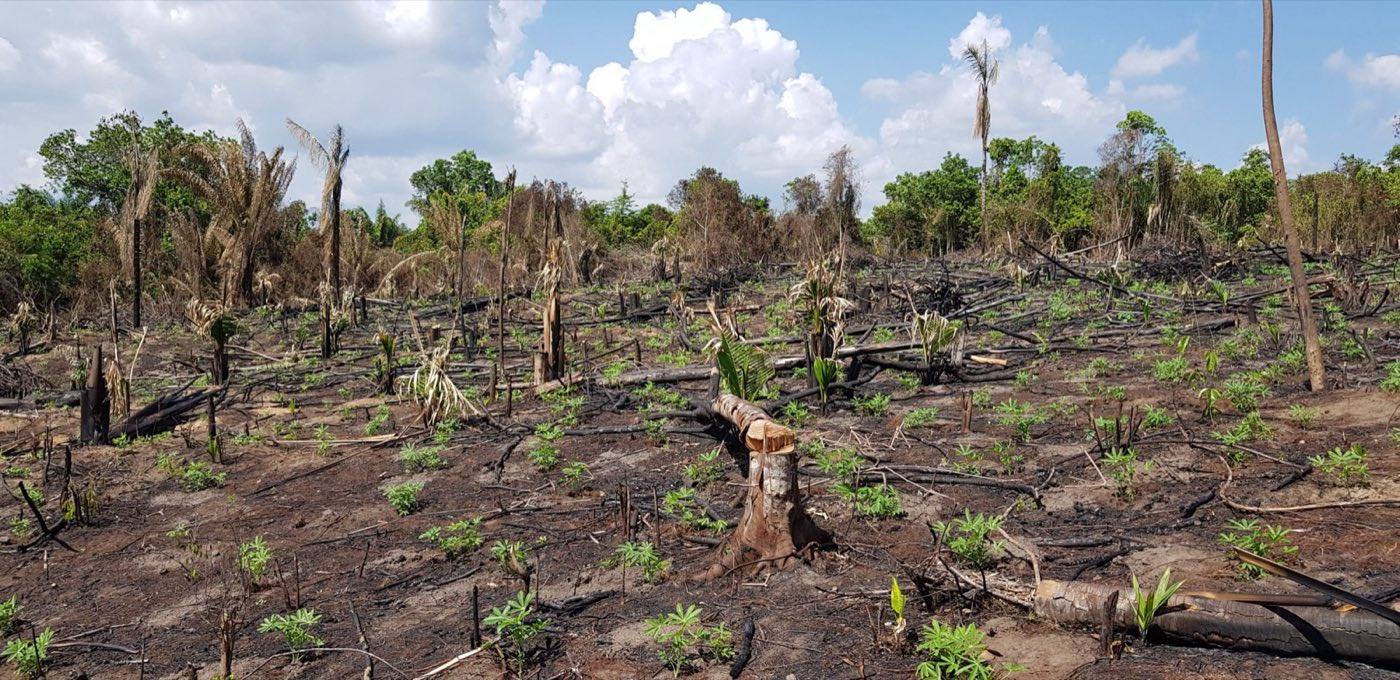
Coivara, an ancestral practice
A very common ancestral technique in the Amazon, coivara (slash-and-burn) consists of cutting and burning the vegetation of a productive area after harvest, using the ashes as fertilizer and starting a new planting. In 2018 we started a project with WRI Brasil in Juruti, Pará, to plan, implement and monitor agroforestry systems, and many of the guardian farmers used this practice. The idea was to diversify crops, bringing climate resilience, nutrient cycling, food and economic security and gender equality, since families led by women, or with prominent female leadership, were prioritized.
Cassava diaries
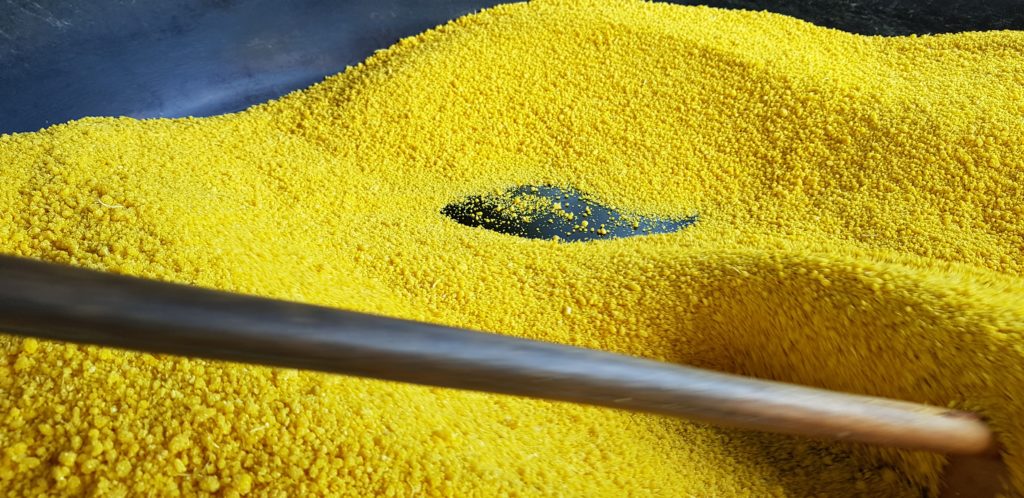
During our stay in the Amazon, we had the privilege of following the whole process at a cassava flour house, and we made a really nice playlist on YouTube! Watch it here: