Homesteading: Toward a self-sufficient lifestyle in tune with nature
Translated from Portuguese. Original published by PRETATERRA.
In this article, we dive into the concept and principles behind homesteading and how this approach can lead to a sustainable, prosperous life for those who want to embrace it. We also share a set of essential tips for anyone who wants to transform their property.
The Concept of Homesteading:
A homestead is more than just a plot of land; it is a vision of life deeply intertwined with nature. This approach embraces principles and practices aimed at creating a productive, resilient environment where you can live in a self-sufficient and harmonious way. Modern homesteading can be defined as:
"Modern homesteading refers to a self-sufficient lifestyle—living autonomously, with minimum help from others. In a nutshell, it includes subsistence agriculture, renewable energy sources when possible, home preservation of food, zero-waste living, and, depending on your skills, even homeschooling, and craftwork."
Source: Texas Real Food
Below we explore the principles that guide a homestead:
Generate Your Own Energy and Manage Your Water
Integrating renewable energy sources is one of the main principles of a homestead. Solar panels and wind turbines are becoming increasingly popular ways to generate electricity. Besides reducing your carbon footprint, renewable energy lowers dependence on the conventional grid, which not only builds stronger energy independence but can also lead to significant savings on energy bills.
Another important aspect when choosing and assessing land is understanding its water resources. As the main resource of the whole system, it is essential to know how to manage and use it properly.
Grow Your Own Food
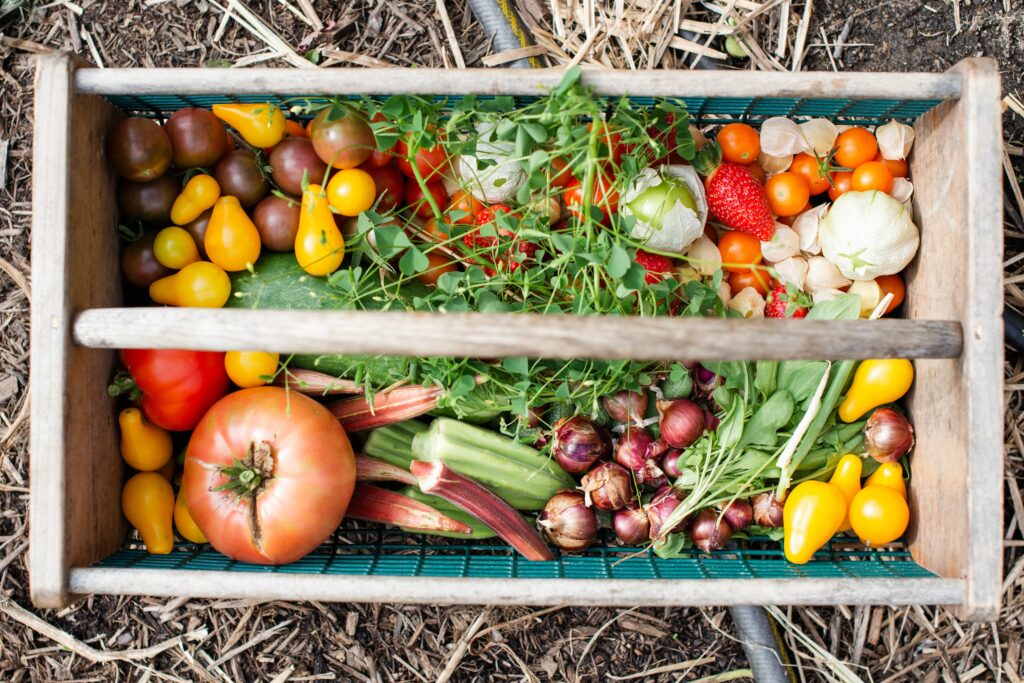
Growing your own food is another essential pillar of modern homesteading. By taking up gardening and farming, you not only get fresher, healthier food but also rely less on supermarkets. This can have a positive impact on both your health and your wallet. Growing your own food also gives you more control over quality, letting you choose seeds and growing methods that match your values.
For a property to be self-sufficient, nothing matters more than producing food in a sustainable and resilient way. That is where agroforestry comes in, one of the best ways to produce food by replicating nature and the logic of forests. To learn more about this concept, click here.
Manage Your Own Waste
Managing waste sustainably is another very important principle. Practices such as recycling, using reusable items and choosing biodegradable products significantly reduce environmental impact. A key technique here is composting, which turns organic waste such as food scraps and leaves into valuable compost for the soil. This way, you help reduce the amount of waste sent to landfills and cut greenhouse gas emissions.
One of the best ways to apply this practice is to understand the concept of the circular bioeconomy, in which the waste of one system becomes the input of another. This is essential for a self-sustaining property. To explore this concept, click here.
Always Strive for Self-Sufficiency
The pursuit of rural life and self-sufficiency is one of the most attractive aspects of homesteading. Living outside the traditional urban context not only offers a deeper connection with nature but also fosters independence. Off-grid methods such as rainwater harvesting and generating your own energy allow homesteaders to live more sustainably and independently.
Be Part of a Community
In contemporary homesteading, a strong community is a fundamental foundation, even in the pursuit of self-sufficiency. Homesteaders often come together in groups or organizations to share knowledge, collaborate on projects and support one another.
This collaboration goes beyond local boundaries. Many homesteaders also take part in local farmers' markets or sell their products online, which creates connections with customers and builds relationships within their communities. This new paradigm in homesteading is gaining momentum, with a wide range of resources and community support available.
Homeschooling as a Way of Teaching
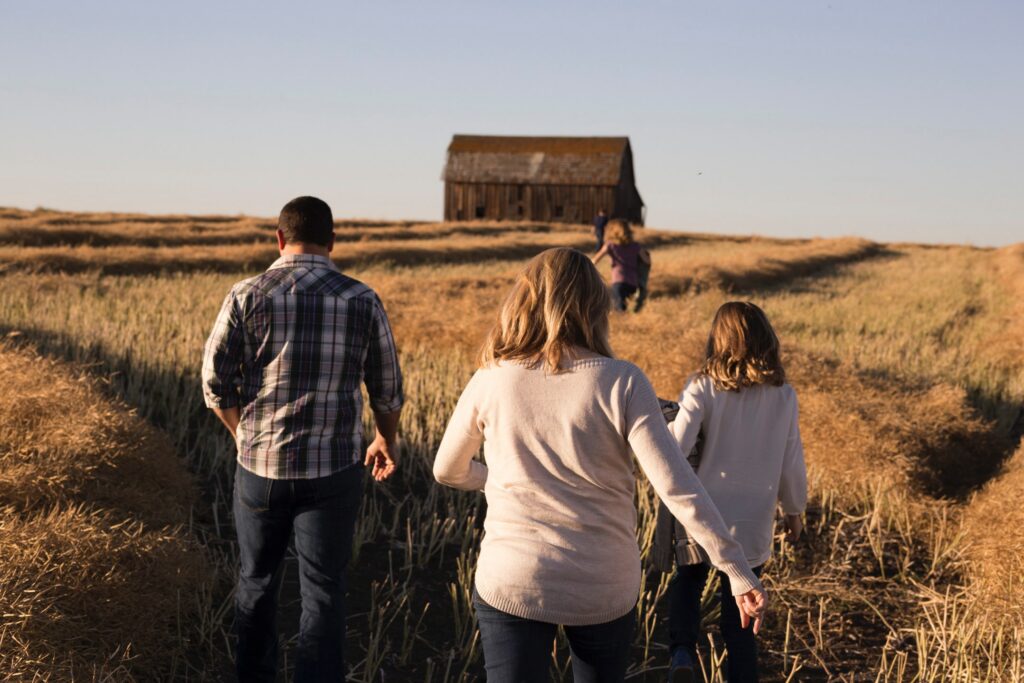
At the heart of homesteading, many families embrace homeschooling, choosing to educate their children at home as a way to bring practical skills and core values into their education. Homeschooling also offers remarkable flexibility for families seeking a lifestyle away from urban areas or in remote places.
Through this approach, children have the opportunity to learn a wide range of skills, from gardening to woodworking, animal husbandry and cooking, while continuing their conventional studies. It strengthens family bonds, letting families share unique and meaningful experiences, and is one of the most rewarding and enriching aspects of the modern homesteading lifestyle.
The Challenges of Homesteading:
Although it is a rewarding and exciting choice, homesteading comes with challenges to overcome. Life tied to the land can be unpredictable and demand considerable effort, especially during planting and harvest seasons. Homesteaders have to deal with extreme weather, pests, predators and other risks to their crops and animals.
Along the way, they may also run into zoning laws, regulations and permits that vary by location, which can affect the process. Modern homesteading is a lifestyle that prioritizes self-sufficiency, frugal living and sustainability. Whether in rural or even urban areas, it is possible to embrace its principles and bring them into your routine. Modern homesteading is challenging and may not suit everyone.
However, for those willing to put in the effort, contemporary homesteading can be a way to reconnect with nature, live intentionally and appreciate the simple things in life.
Tips for Starting Your Own Homestead
If you are eager to begin your modern homesteading journey and build a more sustainable, self-sufficient lifestyle, here are five essential tips to get off on the right foot:
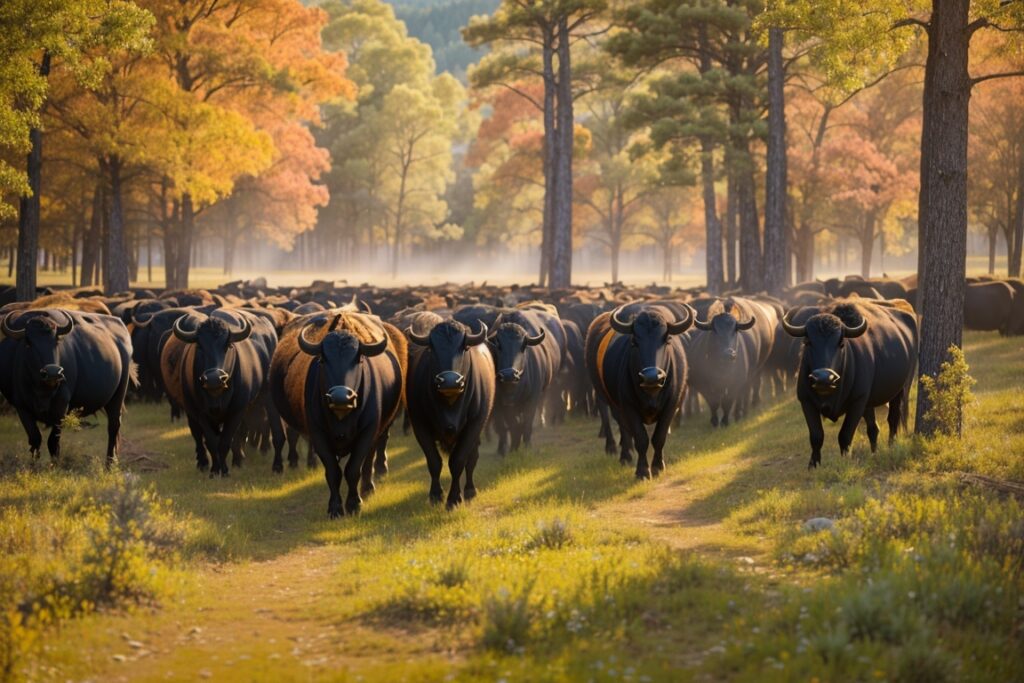
- Divide your land between animals and crops. Animals need to eat and also need shelter at times. Don't underestimate their needs and expect them to produce in high quantities. If you are raising a dairy cow, learn what she needs and find a way to provide it.
- Manage your grazing animals. Nothing is worse than a goat with an insatiable appetite. Don't let your animals graze the same spot over and over until the soil becomes compacted. Learn to rotate their grazing.
- Learn about agroforestry gardens. A good way to start is to learn about agroforestry. Based on the logic of nature, food production becomes more natural and dependence on external inputs tends toward zero.
- Understand your water source. You can't do anything with animals or crops without water. If you rely on city water, understand what your monthly bill will look like and how the water is treated. If you use a well, find out whether it is deep or shallow. And if you harvest rainwater, learn how to purify it before use.
- Be realistic. There is no point starting out trying to do everything at once. Start small, use what you have and do what you know.
And if you are looking for land, we recommend our partner platform RELAND. They list thousands of rural properties across Brazil. You can visit them at https://reland.com.br.
References:
Building Your 1-Acre Homestead (or not)
The Rise of Modern Homesteading: A Brief Overview
Recommended reading:
Book: 40 Projects for Building Your Backyard Homestead: A Hands-On, Step-By-Step Sustainable-Living Guide