The Cerrado frontier and a shift in agricultural thinking
Translated from Portuguese. Original published by PRETATERRA.
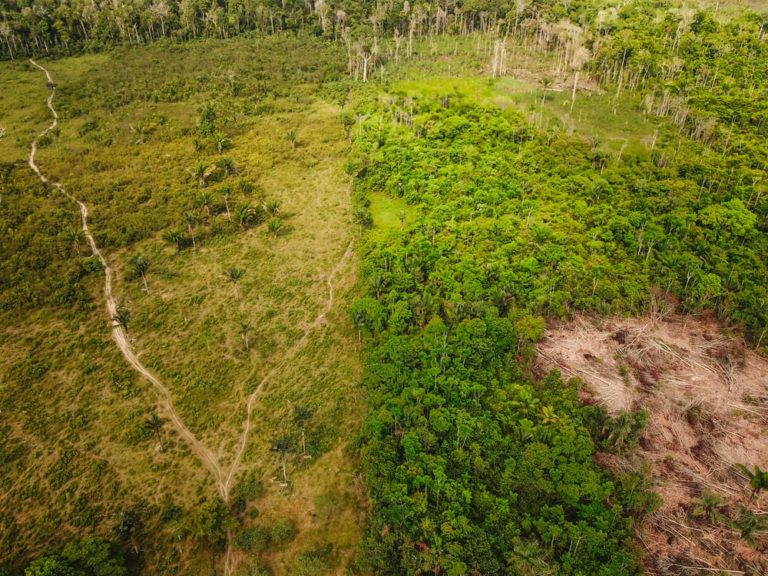
The Cerrado has a mosaic of vegetation types shaped by a long ecological history and by human activity. However we describe it, this Brazilian biome faces a serious threat from land conversion.
Complex natural systems and productive systems that replicate natural processes — the key to biodiversity conservation
Like the Atlantic Forest, the Cerrado is a region of exceptional biodiversity. Its ecological diversity, carbon stocks, water systems and cultural heritage give it importance far beyond its borders.
The dominant agricultural model often converts native landscapes into monocultures or extensive pasture. This can degrade soil and water sources, reduce biodiversity, increase greenhouse gas emissions and weaken the livelihoods of small farmers.
At the time this article was written, agriculture and land-use change were major sources of greenhouse gas emissions in Brazil. If it were a country, Brazilian agribusiness would be the eighth biggest polluter on the planet, with gross emissions of 1.6 billion tons (above Japan, with 1.3 billion).
The Cerrado is particularly exposed to agricultural expansion. Its plants and animals evolved over long periods under demanding environmental conditions, producing distinctive species and adaptations.
The Cerrado’s native species have substantial ecological, nutritional and culinary value. Many also offer production opportunities that remain underexplored.
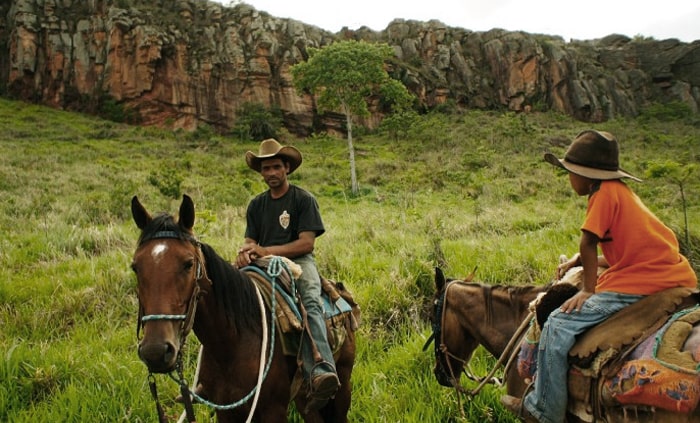
New production systems can combine food production with the conservation of forests and other natural resources. They should be productive and diverse, use species suited to the local biome, store carbon in soil and biomass, and help restore degraded pasture.
People have used agroforestry for millennia to grow food and other products alongside trees while working with ecological processes.
Well-planned, diverse agroforestry systems can help reverse the degradation of both production land and natural ecosystems.
Clear methods and sound economics are essential if more producers are to adopt these systems.
For us, a production system can scale when its design, operations, inputs and outputs form a technically and economically viable model that can be repeated in modules. In diverse agroforestry, we plan each component by its function in the system, rather than treating each species in isolation. This creates adaptable modules that can be used in different regions. Sharing these methods helps more people put them into practice. (PRETATERRA, 2018).
Livestock can also be integrated with trees and crops. Such systems offer another path for production and restoration in the Cerrado and similar biomes.
A silvopastoral system combines forage plants and productive trees in the same area. Native and other suitable tree species can provide timber, firewood, fruit, nuts, latex, resin or extra feed for livestock. Such diversity can add value while supporting a more sustainable Cerrado economy.
The Cerrado faces a choice: continued conversion to monoculture, with further species loss, or production models that conserve native biodiversity while creating economic and social benefits.
Making the second path possible requires a change in agricultural thinking and practical investment in regenerative business models.
Many of the necessary practices already exist. Their adoption depends on decisions by producers, investors and policymakers. The Cerrado could help lead a shift toward agriculture that restores land and supports local communities.