Beyond labels and certifications: Paths to conscious, sustainable consumption
Translated from Portuguese. Original published by PRETATERRA.
This article discusses the benefits and drawbacks of labels and certifications, and alternatives to them.
1. Labels and certifications on products and their benefits
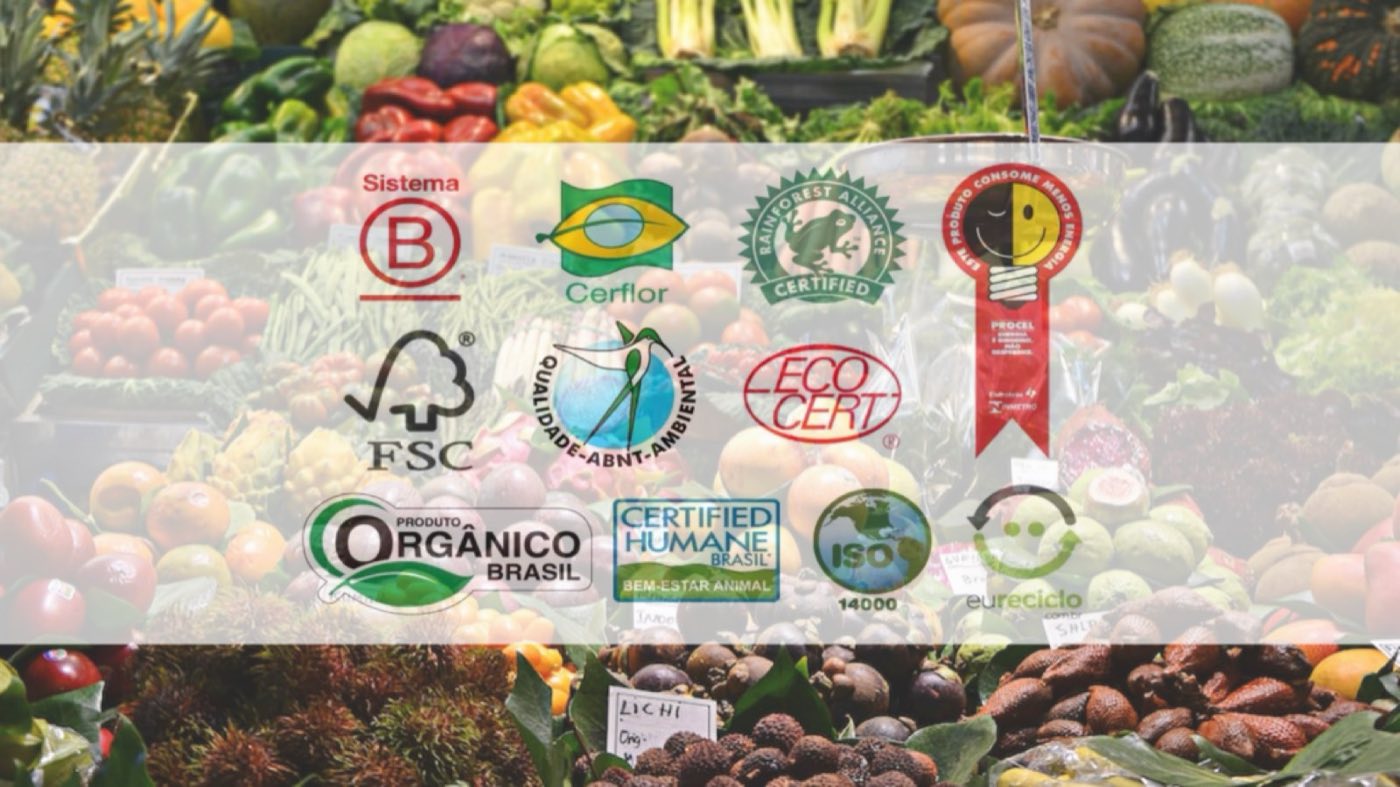
Labels and certifications are increasingly common on all kinds of products. From food, with the Organic label, HACCP, GMO labeling, ABICAB and Kosher, to wood products with the FSC label, textiles with the BCI label, and glass and wood items with the ABNT Ecolabel, these marks have become a global trend.
In an increasingly competitive market, labels and certifications have a significant positive impact on brand recognition among consumers. They boost the value, differentiation, credibility, competitiveness and trustworthiness of the products and companies that display them.
These certifications also encourage other companies to adopt better practices and seek recognized labels to enter more demanding markets. This makes labels active agents in promoting more sustainable, safe and ethical practices across many industries.
2. But there is a downside…
However, it is important to consider the problems associated with these certifications. One is that many labels are expensive to obtain, which can raise the final price of products and make it harder for small producers to enter the market. In addition, some certification systems can be very restrictive, making small producers' businesses unviable even when they largely follow responsible practices.
Labels and certifications can also widen the distance between producers and consumers. In a globalized world, access to a huge variety of products can break the connection between producer and consumer, leading to a certain desensitization. Consumers often don't know how their food is produced or by whom. As a result, the responsibility for checking the quality and origin of products is delegated to third parties, further separating producers and consumers.
3. Are there alternatives to labels?

There are alternative solutions that address most of the problems with certifications, and a transparent connection between producers and consumers is a key approach.
Traceability and Transparency for Conscious Choices
Seeking greater traceability and transparency about products is essential. Knowing where products come from and how they are made, as well as the producers themselves, allows consumers to make more informed choices and supports conscious consumption.
Standing Out in the Market and Sharing Values
In a highly competitive market, companies need to stand out and add value beyond the product. This need for differentiation shapes consumption. When consumers get to know a product or company up close, they can react in different ways.
On the one hand, if they realize there are issues beyond the product itself, they may simply stop buying it or even criticize the brand. On the other hand, if they identify with the company's values and practices, they may become loyal customers and brand advocates, buying more and spreading the word.
Information for Conscious, Values-Aligned Decisions
Putting more information in consumers' hands is essential to this process. By making more informed and conscious decisions, they can better assess how well a company aligns with their principles and values. This awareness enables more deliberate consumption, benefiting both consumer and producer.
Supporting Sustainable Local Producers
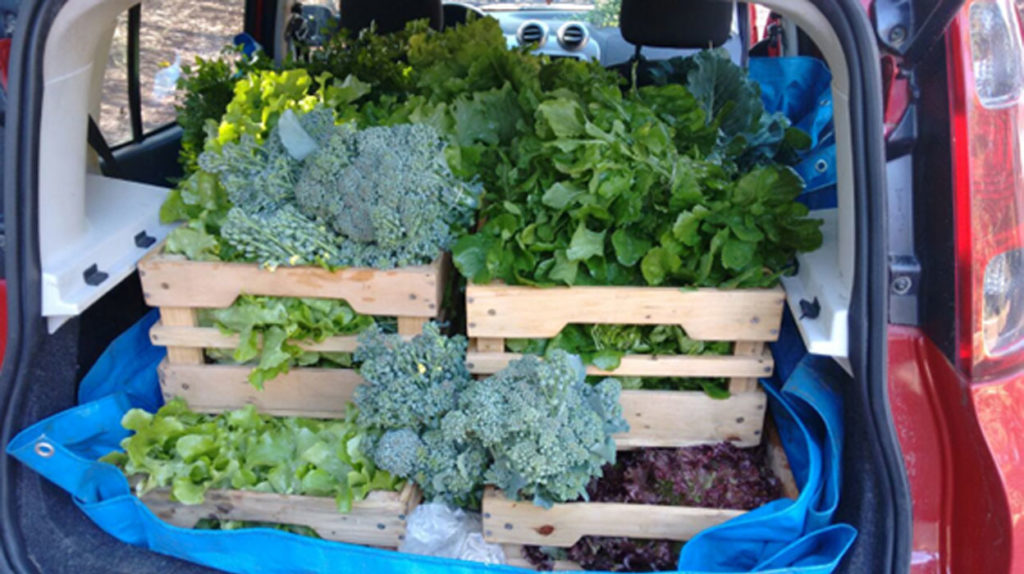
Supporting local producers who adopt sustainable practices is essential. It strengthens the regional economy and reduces food waste caused by long-distance transport. Buying locally prevents perfectly good food from being thrown away just because it doesn't meet the standards set by large retailers. It is also easier for consumers to evaluate locally made products.
These practices, combined with consumers' effort to make conscious choices aligned with their convictions, contribute to a more sustainable, transparent and responsible market that benefits producers, consumers and the environment alike.
In conclusion…
In short, labels were a major step forward for better production practices. At the same time, however, problems emerged that diverted them from their original purpose. In a world that is connected yet disconnected, the solution lies in technology that brings us closer to the sources of production. For a transparent and sustainable market, consumers should look for detailed information about products, value local producers and make conscious choices. By acting responsibly, we contribute to a world aligned with good values.