Trees in agroforestry production systems
Translated from Portuguese. Original published by PRETATERRA.
When integrated with animal production, trees increase and diversify the supply of forage for livestock, and offer shade, reducing climatic stress and discomfort, increasing weight gain and reproductive performance of animals.
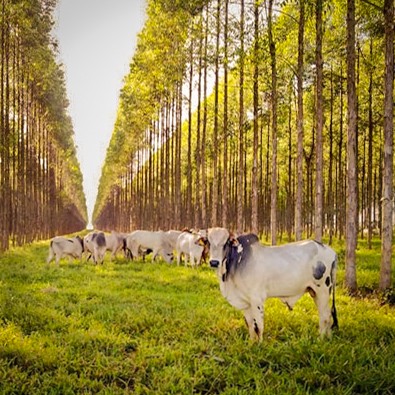
A system like this, developed and popularized by EMBRAPA, as integrated crop-livestock-forestry (ICLF, known in Brazil as ILPF), has been used to recover and increase the productivity of extensive areas of degraded pastures in the Brazilian cerrado.
In the initial years of the system's implementation, while the trees are not yet established, before livestock can graze among them, the areas where there would be herbaceous forages are used for the rotation of short-cycle agricultural crops, generally corn and soybeans, generating cash flow in the first few years.
"The path for the modern producer is to invest in crop diversification on the property. With price volatility, climate instability and problems with pests and diseases, farmers need to diversify and add value to their production so as not to be held hostage by one product in one harvest" (João de A. Sampaio Filho).
However, the iLPF “technological package” as designed still does not take advantage of the full potential of the arboreal component, as it has a low density of individuals and species diversity.
The wide adoption of this system was a big step in changing the production paradigm, but we need to go further.
Designs that are more integrated with the original ecosystem must be developed, including a greater quantity and diversity of tree species, especially native ones, both for fruit and nut production in the medium term and for timber production in the long term.
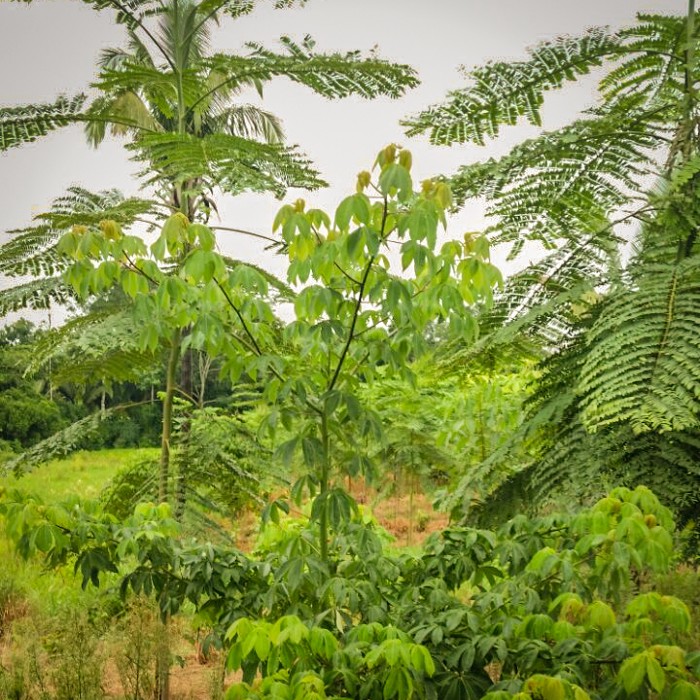
Agroforestry systems have vast, still underexplored potential for food production associated with forest conservation.
As with any pioneering approach, several challenges remain.
The provision of qualified technical assistance is incipient, as there are few forestry engineers and agronomists on the market with a holistic understanding of agroforestry production. Furthermore, due to the shortage of qualified labor, there is a need for training and qualification of field teams and rural workers. Due to specific agroforestry operations, the development of adapted machinery and equipment is essential, which will reduce the high dependence on labor. Animals must be introduced at the right time, to prevent any damage caused by the herd to the trees in the establishment. Finally, the systematization and robust economic evaluation of agroforestry systems is still in its infancy.